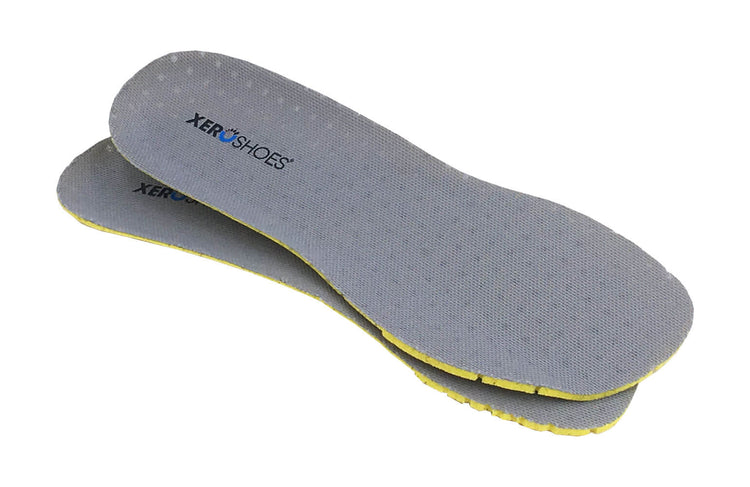
latest News
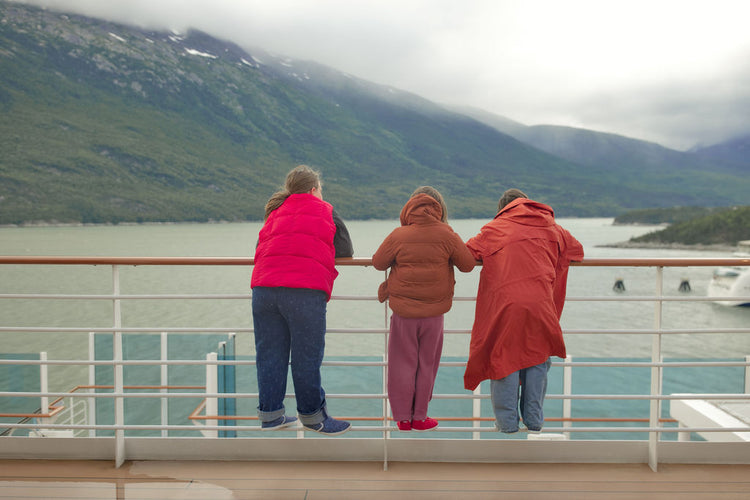
Exploring Alaska One Step at a Time
Stories from the Movement by Anna Meenk Our family of six recently checked an item off our bucket list with an unforgettable cruise to Alaska. From the moment we stepped aboard, we knew this trip would be full of incredible scenery, unforgettable adventures, and quality time together. Packing for six can be a challenge, so we kept it simple. Each of us packed just our Xero Shoes and a pair of dress shoes for formal nights. That was all we needed. Our Xero Shoes were perfect for relaxing on sea days, exploring each port, and every adventure in between. Alaskan Cruise through Glacier Country The sea days quickly became some of our favorite parts of the trip. Whether we were walking laps around the deck, finding the perfect spot to relax or simply taking in Alaska's incredible scenery from the ship, our Xero Shoes were on our feet from morning until night. We even cruised through glacier country, and while our ship was too large to get up close to the glaciers, seeing those towering walls of blue ice from the deck was still an unforgettable reminder of just how wild and beautiful Alaska is. Our first stop was Ketchikan, where we wandered the colorful streets, explored the waterfront, and enjoyed the town's unique charm. In Juneau, we soaked in stunning mountain views and crisp Alaskan air while exploring the city. Skagway Train Ride The highlight of our trip came in Skagway, where we boarded the historic White Pass & Yukon Route Railroad. As the train climbed higher into the mountains, we crossed towering trestle bridges and passed waterfalls, deep forests, and breathtaking alpine scenery. It felt like stepping back in time, and experiencing those incredible views together as a family made it even more memorable. I've been wearing Xero Shoes for almost two years now, and they've completely won me over. The comfort, durability, and reliability have been outstanding, which is why I didn't think twice about making them my primary shoes for this trip. They're lightweight, easy to pack, and versatile enough for everything from strolling around the ship to spending a full day exploring a new town. Having footwear I could count on meant one less thing to worry about while traveling. For anyone who loves to travel, hike, or simply stay active, I can't recommend them enough. Packing light is always a goal when you're traveling with a family of six, and having one pair of shoes that can handle almost every adventure makes a huge difference. Alaska reminded us that the best trips aren't just about the places you visit—they're about the people you share them with. Watching Alaska's rugged coastline drift by from the deck, discovering charming port towns, riding a historic railway through the mountains, and making memories together as a family made this a vacation we'll never forget. We're already dreaming about our next adventure, and one thing is certain: our Xero Shoes will be coming with us. About Anna Meenk: I’m a wife. mom of four, professional photographer, and content creator based in the beautiful Pacific Northwest. I love exploring the PNW and traveling the world, and I’m inspired by the people, places, and everyday moments I get to experience along the way. I especially love working with small businesses and growing brands to create authentic, beautiful content that brings their products and stories to life. Website: Www.annajoyphotography.com Instagram: Instagram.com/annajoyphotography

How to Strengthen Your Feet and Ankles for Hiking
You can train your legs, lungs, and core for the mountains and still get sidelined by the one system that actually touches the ground: your feet and ankles. In this guide, NASM-certified personal trainer and Xero Shoes partner Mikey Bell of Outdoor Adventure Training shares why foot and ankle health matters so much to your longevity as a hiker, then walks you through 3 at-home tests and a simple framework for building the ankle mobility, stability, and load capacity that the trail demands. Why Feet and Ankles Matter on the Trail Most of us can get away with weak ankles in daily life. Cushioned shoes, flat, predictable pavement, sidewalks and office floors. There's no stimulus to respond to, no obstacles, and no brain-body connection being built. Each foot has 26 bones, 33 joints, and more than 100 muscles, tendons, and ligaments. All of it has to articulate and stabilize to move over uneven terrain. When those structures are undertrained, the load shifts up the chain to your knees, hips, and lower back. The good news: with the right approach, most of this is trainable. What Changes in Barefoot Trail Shoes Most of us have spent our lives in traditional footwear. Moving toward a barefoot shoe changes a few things at once. You get feedback again. Cushion lifts you off the ground. At the extreme, imagine walking on stilts: you lose proprioception, balance suffers, and you have no sense of what is underneath you. When you switch to a barefoot shoes, your foot is finally feels sensory information again. Your foot gets to be foot-shaped. Toes are meant to spread when you load them, and that splay is a large part of your balance. Most shoes, hiking ones included, taper to a point and squeeze the toes together. Match the shoe to the shape of your foot, not your foot to the shape of the shoe. Your calves are going to work harder. Most street and workout shoes lift the heel, which shortens the calves and Achilles. If you've spent decades in a heel-lifted shoe, this adaptation isn't going to happen overnight. A gradual approach starts with addressing your weak link. Start by Finding Your Weak Link Before changing anything, find out where you stand. These 3 tests take about 15 minutes. Do them barefoot and cold, with no warm-up or rolling first, so you're seeing a true baseline. Log your results. Download and print our free Mountain Ankles Score Sheet before you start. It has the benchmark for each test and scores you at the end, so you'll know which one is your weak link. Follow along. Mikey walks through all 3 tests, start to finish. Test 1: Knee-to-Wall What it measures: ankle mobility. How to: Run a strip of tape out from the base of a wall and mark it at 1-inch intervals out to 6 inches. Half-kneel facing the wall, front foot flat on the tape, back knee down. Drive your front knee forward to touch the wall without your heel lifting. Move your foot back inch by inch. The farthest distance where your knee still touches with the heel grounded is your score. Coach's cue: your knee tracks straight over your 2nd and 3rd toe. Don't let it cave in or flare out. Log: left, right, and the difference. Test 2: Single-Leg Balance What it measures: stability and proprioception. How to: Stand on one foot, hands on hips, eyes open, and time how long you hold it. Then close your eyes, which is where most people find their limit. Run both legs, eyes open and eyes closed. Coach's cue: hands stay on your hips. The control should be coming from your foot and ankle. Log: 4 numbers, left and right, eyes open and eyes closed. Test 3: Single-Leg Heel Raise What it measures: calf capacity and endurance. How to: Stand on one leg. Rest your fingertips on a wall for balance only, and don't push through them. Rise as high as you can onto the ball of your foot, then lower slowly, under control. That's one rep. Go to failure, meaning the point where you can't hit full height with control. Count only clean, full-height reps. Coach's cue: slow and controlled, no bouncing. When your height starts dropping, you're done. Log: left and right. Now tally it up. Your Mountain Ankles Score Sheet turns those numbers into a score and points you at the weak link to work on first. What Builds Healthy Feet and Ankles The order matters. First you learn a new range of motion, then you learn to control that range, and only then do you add load to it. Jumping ahead without a stable foundation is usually where injuries happen. Mobility. Good ankle range of motion is crucial for the trail. It's what lets your knee travel forward over a planted foot on a climb, and what lets the feet and ankles absorb and articulate on the way down. It isn't the fix; it's a gateway that allows for meaningful work to happen. Stability. Stability is control. It's how well you can hold and articulate the ankle through the range you have, and it's what keeps you upright when the ground moves under you. Load capacity. What makes the mobility and stability hold up over a long day. Hiking alone probably isn't going to cut it. This needs to be intentional, focused work. Consistency. None of this works as an occasional big effort. Short and regular beats long and sporadic. The 15-minute version: a full follow-along session to build mountain ankles. Footwear "What shoes should I wear?" is one of the most frequent questions we get from our training community, and the honest answer is that it depends. On your goals, your training history, and what you've had on your feet for most of your life. If you're curious about barefoot shoes, this is a great place to start. Barefoot trail shoes offer real advantages to let feet move naturally, combining ground feel and proprioception. What to look for: Toe room so the foot can splay under load Flexibility so the sole bends with the foot instead of forcing it into one shape Ground feel so you can react to what's underneath you Secure fit with the heel locked and the toes still free Traction that grips on loose dirt and wet rock Enough protection for the terrain you're on. Match the footwear to the adventure Meet the Mesa Summit Speaking of protection, the most common tradeoff with barefoot trail shoes is too little protection: feeling every rock and root underfoot. That’s where Mesa Summit provides protection where it matters and freedom where it counts. A new ESS rock guard, the first from the brand, is embedded in high-impact zones and helps shield feet from rocks and roots without stiffening the ride. The updated abrasion- and debris-resistant polyester mesh upper, reinforced with a 3D-printed overlay, adds durability without compromising flexibility or lightweight comfort. For wet conditions, the Mesa Summit WP retains breathability with waterproof protection. Start from the Ground Up Range you can't load isn't going to hold, and load without range just reinforces a bad position. You need all of it working together. Watch the Mountain Ankles series, run the 3 at-home tests, and start with whichever came back weakest. If you're moving toward a more barefoot-inspired shoe, explore the Mesa Summit as part of a gradual, trail-ready approach. The Mesa Summit combines the protection you need on technical terrain with the natural feel, flexibility, and ground connection that define our barefoot experience. These upgrades improve Xero Shoes’ popular Mesa Trail franchise. About the Expert With over a decade of experience as a NASM-certified personal trainer and professional mountain guide, Mikey blends his fitness expertise with firsthand knowledge from the field. As a Xero Shoes partner, Mikey advocates for barefoot-inspired footwear in the gym and on trail. Connect with Mikey: Website | YouTube | Instagram FAQ What do hikers usually misunderstand about foot and ankle preparation? That hiking is the training. Miles maintain what you have. They don't build what's missing. What are the top 3 movement checks before switching to barefoot trail shoes? Knee-to-wall, single-leg balance drills, and single-leg heel raises. What does ankle mobility actually change on climbs and descents? Climbing and descending both need the knee to travel forward over a planted foot. Without that range, the body will compensate. What's the difference between ankle stability and simply having "good balance"? Balance is a snapshot of one moment. Stability is whether you can control the joint through its range, under load, when the ground moves. What are the most useful exercises for uneven or technical terrain? Single-leg work of almost any kind, banded work, and controlled single-leg landings. How should someone new to barefoot shoes approach their first month? Think of it as the start of a long process rather than a one-month project. Start out with short, flat walks on easy ground, then gradually let volume build from there. How do footwear, training, and consistency work together? Your footwear is how you interact with the ground on every step. But the work that changes things happens when you're out of the shoes: the mobility, the recovery, the loading. Footwear helps the process along. Consistency is what makes it stick. What's one drill you'd give almost every hiker? Single-leg balance. On trail you're on one leg at a time. Getting comfortable there is what sets up every unilateral exercise after it, and that's the foundation of hiking. Stability first, always.

How to Transition to Barefoot Shoes
A lot of people ask us two common questions: aren’t barefoot shoes uncomfortable and don’t I need to transition over time? Barefoot shoes feature a foot-shaped design, thin and flexible zero-drop sole, and minimal cushioning. They’re quite the opposite of traditional footwear. Why Barefoot Shoes Feel Different at First If you’re entirely new to barefoot shoes and come from wearing highly cushioned shoes, it’s definitely a new sensation. It feels different. If you’ve ever been in a cast, the feeling when you take it off awakens the casted muscles because they haven't been used properly. The same goes for wearing barefoot shoes for the first time. You’re using stabilizer muscles and tendons that may not get regular use. When you put less between your feet and the ground, those muscles and tendons start working again as they bend and flex. Would you go to the gym, put 100 pounds on the bar and lift it over and over until you felt so tired you could barely move? Probably not. Give Your Feet Time to Adapt Just as you would gradually increase your weight or volume the more you work out, you should gradually increase the amount of time you spend moving in your barefoot shoes. It’s common to feel a little sore, just like you would when you start a new workout regime. It’s important to know that transitioning to barefoot shoes can be different for everyone. Start small. Build gradually. Let your body adapt. Tips to Transition to Barefoot Shoes Start simple with short walks, quick errands, or everyday activities. Then you can build gradually over time, depending on how you feel. Increase your time in barefoot shoes and you’ll notice your body adapt. A transition period is expected, especially if you’re new to zero-drop and barefoot shoes. If your feet or calves feel a little sore, that’s normal! Pain is not. Most people adjust faster than they expect, especially for walking and everyday wear. If you’ve been wearing cushioned zero-drop shoes, the transition will likely be quicker as well. Start Small Walk around the block, aiming for just 5-10 minutes. Do your regular yard work (if it’s not too muddy/dirty to mess up your new shoes). Wear on your quick trip to the grocery store. Wear to the office if you have a desk job. Wear while making dinner in the kitchen, where you’re standing and moving around in a small space. Build Gradually Add 5 minutes to your walk every week. Wear for your walking commute or daily dog walk. Start wearing for low-impact strength training workouts like weight lifting. Wear for a short, non-technical hike. A Simple Barefoot Shoe Transition Plan Week 1: Wear them around the house, for short errands, or for a 5–10 minute walk. Week 2: Add a little more time if your body feels ready. Week 3 and beyond: Try longer walks or a hike, casual daily wear, or low-impact workouts. How Do I Know When to Increase Time? Everyone’s transition will be different, because everyone’s feet are different. Start with short, easy sessions and build from there. If something keeps bothering you, scale back and give your body more time. Good signs:Your feet and calves feel fine, or any new sensation fades quickly. If you feel good, add a little more time/activity to your barefoot movement. Slow-down signs: Something feels painful or lingers longer than expected. If you notice lingering soreness, repeat the same amount of time before increasing. If that soreness sticks around, take a lighter day or skip a day. Once that soreness is mild or gone, you can increase. First Barefoot Shoes: Top Picks Prio – a "do it all" sneaker Prio Coast – a hands-free slip-on sneaker Prio Neo – a versatile workout shoe Dillon – pick from knit, slip-on or leather options, depending on your style Z-Trail EV – if you’re looking for a sandal Common Mistakes When Transitioning to Barefoot Shoes Doing too much too soon. Switching every activity at once. Starting with running instead of walking. Ignoring how your body feels the next day. Assuming soreness means something is wrong. Build Foot Strength As you’re adjusting to barefoot shoes, athletes in particular will find foot-strengthening exercises beneficial. Whether you're wearing training shoes or casual shoes, anyone can benefit from stronger feet. What are some of the easiest ways to start building foot strength? Unlock your foot strength and wake up your feet with basic balance you can do any time. Try these simple exercises. Whether you play pickleball or not, this dynamic movement workout is a great place to start. Don't forget to stretch. The transition period isn't just about the shoes; it's about rebuilding foot strength that conventional footwear suppressed. Benefits of Transitioning to Barefoot Shoes The research on barefoot and minimalist footwear continues to grow. Barefoot shoes feel different because they let your feet move differently. With a wider toe box, a flexible sole, and a zero-drop design, they give you a more connected feel underfoot than many traditional shoes. For some people, that feels natural right away. For others, it takes a little time. That’s why the transition matters: you’re giving your body a chance to get used to a new way of moving. 1. Foot Strength Dr. Sara Ridge's research suggests that merely walking in a minimalist shoe for 8 weeks builds foot strength as much as doing a dedicated foot exercise program. 2. Better Ground Feel and Sensory Feedback Your feet have more than 200,000 nerve endings, making them one of the most sensitive areas of your body. That sensory input helps your brain understand where your body is in space (proprioception). With less cushioning underfoot, you can feel more of the ground beneath you. Many people like that connected, responsive feel. 3. More Room for Toes Most shoes taper inward, squeezing your toes together. Barefoot shoes give those toes more room to spread for natural movement with a wider toe box. 4. A Flatter Platform Underfoot Most shoes have an elevated heel, which shifts your center of mass forward. This forces the rest of your body to compensate through your ankles, knees, hips, and back. Barefoot shoes are zero-drop, and can keep the body in a neutral alignment and keep the body weight centered over the feet. Learn more about barefoot shoes and posture. Do I Need to Transition to Hiking in Barefoot Shoes? Or can I just go for it? Hiking is often a natural next step after you're comfortable walking in barefoot shoes. In fact, the varied terrain and softer surfaces may feel even better to your feet. If you’re feeling good just walking around, hit the trails! Start with a familiar non-technical trail. Flat or a mellow elevation profile is best, that way you can gauge how your feet and legs feel. Add time first before distance since trails widely vary based on terrain. If you want to test out for backpacking or longer hikes, bring your regular hiking shoes in your pack and swap into them when your feet feel tired. The bonus is that barefoot hiking shoes feel light and flexible on your feet so they may be a welcome relief when you get to your campsite. The Scrambler collection features mid hiking boots or low hiking shoes, so they're a great place to start. How Can I Transition to Run in Barefoot Shoes? Start even smaller if you want to run in barefoot shoes and aren’t used to minimal cushioning or zero-drop shoes. Proper running form is even more important because barefoot running shoes encourage a forefoot or midfoot strike rather than heel striking. Start with walking first. Add short running intervals only after casual walking feels comfortable. Keep first runs very short. Don’t change shoes, distance, speed, and terrain all at once. Start on flat, familiar surfaces before trails or hills. You may only start with running 20 or 30 seconds. Your heart and lungs will adapt quickly, but your tendons and connective tissue need more time. Build up gradually and let your body set the pace. Looking for a great first barefoot running shoe? Try the HFS II. Read these tips to safely transition to running in barefoot shoes. Our goal is that Xero Shoes become your go-to shoes for all-day comfort, wherever the day takes you. The content of this post is for educational and informational purposes only and does not constitute and is not intended to be a substitute for professional medical advice, diagnosis or treatment. Always seek the advice of a physician or other qualified health provider with any questions or concerns you may have about your health or a medical condition.
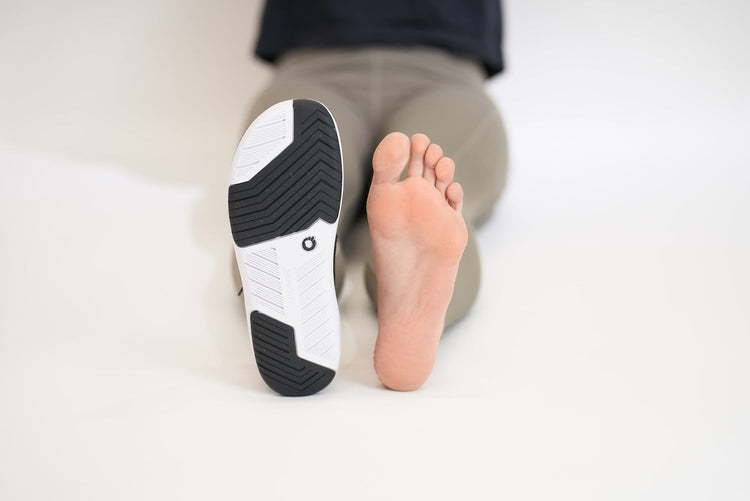
Are Barefoot Shoes Good for Flat Feet or High Arches?
Have you ever thought: “I wish I could wear barefoot shoes, but I can’t. I need support.” Maybe you’ve wanted to try barefoot shoes, but you have flat feet or high arches and you’re worried they won’t give you enough support. It’s great that you’re thinking about how barefoot shoes would affect your overall foot health. You may have been told that your feet need shoes to support, cushion and control your movement. But here’s another way to look at it: your feet are meant to move. Xero Shoes are built around natural movement: a roomy, foot-shaped toe box, zero-drop sole, flexible low-to-the-ground feel, and lightweight construction. The goal is not to “fix” feet overnight, but to let them bend, flex, and function more like feet. What Are Foot Arches? If you look carefully at a foot, you’ll see it has arch shapes running in more than one direction: front to back and side to side. When people talk about “flat feet” or “high arches,” they’re usually talking about the arch that runs lengthwise along the inside of your foot. This arch is not a rigid bridge. It’s flexible. It changes shape as you stand, walk, run, jump, lift, and move through life. Some people have lower arches. Some people have higher arches. There’s no single “perfect” foot shape. There’s your foot, your movement, and what feels comfortable and natural for you. Flat Feet vs High Arches Flat feet generally means the inside arch of the foot sits lower to the ground. High arches generally means the inside arch sits higher and leaves less of the midfoot touching the ground. Plenty of people have lower or higher arches and never even notice. Here’s a simple way to find out: Go outside to your driveway or another dry concrete surface. Wet your feet, then stand on the concrete for a few seconds. When you step away, you’ll see your footprint. Take a picture quickly before it disappears. A fuller footprint may suggest lower arches. A footprint with only a narrow strip connecting the heel and forefoot may suggest higher arches. This is not a diagnosis, but it can be a fun way to notice your foot shape. How Barefoot Shoes Works for Different Arch Types Traditional footwear is built around the idea that feet need support to function well. But that’s not the only way to think about shoes. Flat feet and high arches are different, but both can be affected by traditional shoes that have a narrow toe box to restrict toe space, lift the heel, or have a stiff, cushioned sole that limits foot motion. Barefoot shoes are designed to reduce those restrictions. Instead of adding structure that limits motion, it gives your foot more room and freedom inside the shoe. Xero Shoes are designed to reduce those restrictions with: A roomy, foot-shaped toe box so your toes have space to spread A zero-drop sole, meaning your heel and forefoot sit at the same height A flexible sole that lets your foot bend and move A low-to-the-ground feel so you can stay connected to the surface beneath you Lightweight construction that doesn’t make your feet feel boxed in Are Barefoot Shoes Better for Flat Feet or High Arches? Neither arch type is automatically “better” for barefoot shoes. The better question is whether the shoe allows comfortable, natural movement for your foot. People with flat feet may find a flexible, zero-drop shoe may encourage the foot and lower leg to activate as you walk, train or move through your day. The low-to-the-ground feel can help feel more engaged and connected to the ground. Research suggests that foot strengthening can correct flat feet. A 2018 study in Gait & Posture suggested that walking barefoot or in minimalist shoes produced a flatter foot at contact, with minimalist shoes falling between barefoot and conventional footwear. If you have high arches, you may appreciate a shoe that does not squeeze your toes or force your foot into a narrow shape. A roomy toe box gives your toes space to spread, while a flexible sole allows your foot to bend and adjust as you move. The big shift is mindset. Instead of asking, “How much support can this shoe give me?” you might ask, “Does this shoe let my foot move comfortably?” For many Xero Shoes fans, that question changes everything. Our design philosophy is simple: let your feet move, bend, flex, and feel. Key Takeaways Barefoot footwear may be comfortable for some people with flat feet or high arches, but results vary by individual. Look for a roomy toe box, zero-drop sole, flexibility, low-to-the-ground feel, and activity-appropriate traction. Transition gradually to give your feet, calves, and movement patterns time to adapt. Choose barefoot running shoes, hiking shoes, sandals, boots, or training shoes based on the surfaces and conditions you use most. Consult a qualified professional if you have pain, injury history, or medical foot concerns. Frequently Asked Questions Are barefoot shoes good for flat feet? Barefoot shoes may work well for some people with flat feet because they allow more natural foot motion and give the toes room to spread. The best approach is to start gradually and choose a shoe that feels comfortable for your foot and activity. Are barefoot shoes good for high arches? Some people with high arches like barefoot-inspired shoes because they are flexible, lightweight, and roomy in the toe box. A good fit matters most, especially if you are used to narrow or highly structured shoes. Should barefoot shoes have arch support? Traditional arch support is not the focus of barefoot-style design. The idea is to let the foot move and engage naturally, though some people may still need professional guidance or temporary support. What About Orthotics? Some people may want to start wearing orthotics with their barefoot shoes. Pairing orthotics with a flat, zero-drop shoe may work well because it’s a simpler base for the insert. Make sure the fit feels comfortable, your toes still have room, and the orthotic sits properly inside the shoe. If your orthotics were recommended by a professional, check with them before making a big footwear change. Conclusion Barefoot shoes can work for people with flat feet or high arches who want shoes that allow more natural movement. The best results usually come from choosing the right fit, matching the shoe to the activity, and transitioning patiently. Ready to try your own pair of barefoot shoes? Take this quiz to find your perfect pair here. The content of this post is for educational and informational purposes only and does not constitute and is not intended to be a substitute for professional medical advice, diagnosis or treatment. Always seek the advice of a physician or other qualified health provider with any questions or concerns you may have about your health or a medical condition. This blog was updated on June 26, 2026.
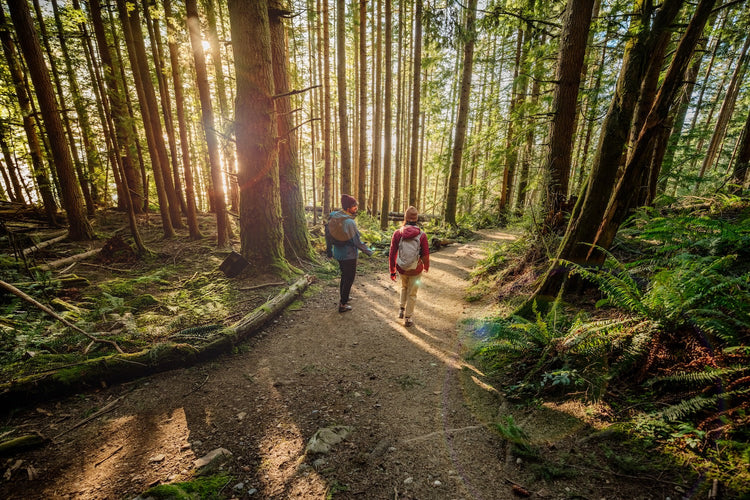
Hiking Boots vs. Hiking Shoes: How to Choose the Right Trail Footwear
When you hit the trail, one question comes up again and again: do you lace up hiking boots or hiking shoes? The honest answer is that there’s no single right pick for everyone, but there is a right pick for you, your feet, and the trails you love. At Xero Shoes, we look at this a little differently than most. We believe footwear should protect your feet while letting them function the way they were meant to: bend, flex, feel, and move. So whether you land on a hiking boot or a hiking shoe, the goal is the same: natural movement, a wide toe box for your toes to splay, and a zero-drop sole that lets you actually feel the ground beneath you. To help break down the differences, we spoke with Michael Pao, Chief Product Officer at Xero Shoes, about what hikers should consider before getting a pair and hitting the trails. Do You Need a Pair of Both? Maybe! It really does come down to personal preference and the kind of hiking you do. If you hike year-round in a range of conditions and encounter cold wet weather, rocky terrain, short day hikes and fast, dusty summer miles, you can benefit from having both a barefoot hiking boot and a lighter trail shoe in your gear closet. If most of your hikes’ terrain and weather are similar, one well-chosen pair will carry you a long way. The Fundamentals: Core Differences Between Hiking Boots and Hiking Shoes Michael’s Expert Tip: “The biggest difference is protection,” says Michael. “With Xero Shoes hiking styles, the outsole and materials may be similar between a low shoe and a mid boot, but the boot adds more coverage around the ankle and collar.” Hiking Boots Boots rise above the ankle. That extra collar height adds more protection around your ankles from rocks and brush, and more ankle support on loose, uneven terrain. But it can also mean more weight and slightly less ankle mobility. Our waterproof barefoot boots add that coverage, plus a waterproof option, that still provide flexibility and a zero-drop design that lets your feet move naturally. Hiking Shoes A hiking shoe’s collar sits below the ankle, giving your ankle a full range of mobility. You trade the ankle collar for more natural foot movement from ankle-down. For a lot of hikers, that freedom is the whole point, your feet and ankles get to do their job, getting stronger mile after mile. Materials, Construction & Outsole Both styles start with the same barefoot DNA: a foot-shaped design that’s wide and roomy in the toe box to support natural toe splay, yet fitted to the midfoot and heel to feel secure. A thin and flexible outsole gives a balance of ground feedback and protection and grippy lugs provide traction. From there: Uppers range from non-waterproof fast-draining, breathable mesh (great for heat and water crossings) to a sealed waterproof membrane (great for rain, mud, and cold temperatures). Outsoles are fine-tuned for trail terrain. Our Scrambler Low EV trail runner uses a Michelin® FiberLite outsole (yes, the same brand as the tire company) that keeps the shoe flexible and lightweight with a trail-ready grip Construction details like a waterproof membrane and gusseted tongue (more on that below) decide how much water and debris stay out. Midfoot lockdown: Xero Shoes’ huarache-inspired tensioning system helps hold the midfoot in place while leaving room in the toe box and forefoot for natural foot movement. Height & Weight Hiking boots come in mid and high cuts, but Xero Shoes focuses more on mid-cuts. More coverage means more materials which means the boots weigh a little more. Low-cut hiking shoes are lighter. The good news: because every pair is built minimalist-first, even our boots stay light and flexible compared to conventional hikers. Michael’s Expert Tip: When choosing between a hiking boot and hiking shoe, Michael says the biggest trade-off is usually weight. A boot has more material, more padding, and a longer tongue, which can add protection, but also adds weight and slightly reduces ankle flexion compared to a low hiking shoe. Xero Shoes’ Scrambler Trail collection has the same materials, waterproofing and outsole construction between the Scrambler Trail Mid WP boot and Scrambler Trail Low WP shoe. The main difference is simply the boot versus shoe. The Engineering Trade-Off: How Collar Height Affects Performance Here’s the heart of the boots-vs-shoes question. A higher collar adds coverage and support because it shields your ankle from trail debris and keeps more dirt out. The added security and lace hooks on the boot can also give the heel and rear foot a more locked-in feel. A lower collar adds mobility so your ankle moves freely and your foot reacts to the terrain in real time. Neither is “support” in the old-school sense. At Xero Shoes, the real support comes from your feet getting stronger. Here’s how the two stack up: Feature Hiking Boots Hiking Shoes Ankle coverage Above the ankle, more protection from rocks, brush, and rollovers At or below the ankle, full, natural ankle movement Protection More coverage against debris, mud, and trail hazards Lighter coverage; ideal for cleaner trails Weight A bit heavier (membrane + materials) Lighter and more flexible upper Weather range Waterproof for wet and cold conditions Breathable and fast-drying for heat and water crossings Best for Rugged, wet, cold, or overgrown terrain; heavier packs; long mileage Maintained trails, fast day hikes, hot weather, lighter loads Can You Use Trail Running Shoes as Your Hiking Shoes? Absolutely, and our Scrambler Low EV (women’s here) is a perfect fit for anyone who wants one shoe that runs and hikes, or if you prefer a light and agile feel. This lightweight trail runner has an abrasion- and debris-resistant mesh upper, a Michelin® FiberLite outsole, and a barefoot feel that’s right at home on a day hike. A men’s size 9 weighs just 9.2 oz (260.8 g) per shoe, women’s size 7 weighs 7.4oz (210g) per shoe. Prefer something built for the trail but still featherweight? The non-waterproof Mesa Trail II (women’s) is another great crossover and one of our lightest. Here’s how trail running shoes compare to boots on the details that matter most: Weight: Trail runners are designed with less material around the ankle and are generally lighter. Durability: Boots are a good pick for bushwhacking and rocky terrain, but a rugged trail runner like the Scrambler Low EV handles regular trail abuse with ease. Breathability: Mesh trail runners breathe and drain far better than a sealed waterproof boot, so your feet stay cooler and dry faster. Choosing Between Hiking Boots and Hiking Shoes The types of hikes you like, and your personal preference, ultimately decide whether you need both shoes and boots in your closet, or just one trusty pair. Run through these five factors and the answer usually gets obvious. Terrain Well-maintained, smooth trails: Hiking shoes give you plenty of protection with more agility. Rugged, rocky, or uneven terrain: Boots add ankle coverage and stability on the chaos underfoot. Overgrown paths or bushwhacking: Boots protect against brush, rocks, and debris far better. Weather Conditions Condition Better Option Why Wet / rainy Waterproof boots Keep water out longer and pair well with gaiters Cold / snowy Waterproof boots or snow boots Holds warmth better Hot / humid Non-waterproof trail shoes More breathable; dry fast if they get wet Frequent water crossings Non-waterproof trail shoes Drain and dry quickly instead of trapping water inside How Quickly Do You Need Your Footwear to Dry? Have you ever accidentally stepped into a stream or puddle in your non-waterproof shoes? Your feet get wet immediately. Non-waterproof shoes get wet almost immediately, but they also dry fast if the weather is hot, which makes them ideal for summer hikes and repeated water crossings. Waterproof footwear stays dry initially, but if water seeps over the collar into the waterproof membrane, that same membrane that kept water out now keeps it in, and it will take longer to dry. Waterproof Boot or Waterproof Shoe? Watch the Tongue For waterproof styles, the gusseted tongue is the waterline. A gusseted tongue is sewn to the sides of the shoe so water and debris can’t sneak in around it, which means the waterproof membrane only protects you up to that point. On a low waterproof shoe like the Scrambler Trail Low WP (women's), that line sits lower; step into a creek deeper than the tongue and water pours in. A mid boot like the Scrambler Trail Mid WP (women’s) raises that line, keeping you dry through deeper creeks. Pick your height based on how deep the water typically is. One thing to note: a waterproof membrane traps more heat and breathes less than open mesh. In hot weather, that can mean warmer, sweatier feet, another reason breathable shoes win in summer. If you’re hiking in hot conditions or have only a few potential wet spots, breathable non-waterproof materials allow heat and airflow to help dry the shoe as you move. Michael’s rule of thumb: If there’s a chance your feet will get wet on a cold day, waterproof is the safer choice. Cold, wet feet can make any hike less enjoyable. Distance Short day hikes (under 5–7 miles): Hiking shoes are often lighter and more comfortable. Long distances or multi-day hikes: Boots offer more coverage and durability for sustained mileage, though many minimalist hikers happily go long in a trail shoe once their feet are conditioned. Does Pack Weight Matter? It does. The more weight you carry, the more your feet appreciate coverage and containment underfoot. Pack Weight Recommended Footwear Why Light (under 20 lbs) Hiking shoes Plenty of protection; the least weight means the most agility Mid-weight (20–35 lbs) Hiking shoes or a mid-cut boot Extra coverage and ankle containment help as the load shifts Heavy (over 35 lbs) Supportive mid or high boot More coverage, ankle containment, and underfoot protection for the long haul And don’t forget the weight on your feet. Every ounce you lift with each step adds up over thousands of steps, so wearing a lighter shoe can feel like fresher legs by the end of a long day. Does Your Foot Type Matter? It matters a lot, and it’s where barefoot-style footwear really shines. All of Xero Shoes’ boots and shoes have a wide, foot-shaped toe box, making them a comfortable choice for people with wider feet or bunions, because your toes get to spread out the way nature intended. Flat feet or high arches? Don’t let the “you need support” myth box you in. Here’s why barefoot shoes work for flat feet and high arches. Weak ankles, past injuries, or craving extra stability? A boot’s added coverage may feel reassuring on technical ground. Healthy ankles and a love of natural movement? A low-cut shoe lets your feet move freely. Whichever you choose, dial in the fit first. Our sizing guide takes the guesswork out. How Should Hiking Boots or Shoes Fit? Your hiking footwear should feel secure through the midfoot and heel, with enough room for your toes to move. The goal is to get a fit that feels secure through the midfoot and heel while giving your toes room to spread. Your foot shouldn’t move around in your boots. Blisters can be a sign of pressure points or too-tight shoes. You can adjust the laces, starting at the bottom and working your way up to the ties to adjust fit. For hiking boots, the upper lacing hooks can also help dial in the fit around the collar and heel. Common Mistakes People Make When Choosing Hiking Footwear Sizing the toe box too small. Your toes should be able to splay, especially on long downhills. If you’ve ever shopped for footwear in-person, you may have been told to use your thumb to measure extra length in the toes. That added space is necessary for traditional footwear with narrow toe boxes because you’re adding room to keep your toes from getting squeezed. With Xero Shoes’ foot-shaped toe box, you may not need as much extra space in front. When in doubt, check the sizing guide. Buying for the hike you wish you did. Match your footwear to the trails you actually hike most, not a once-a-year trail adventure. Assuming waterproof is always better. In heat or minimal water crossings, breathable, fast-drying shoes usually win. Equating “support” with cushioning and stiffness. A rigid sole limits your foot’s ability to bend and flex. More cushioning does not automatically mean a better hike. Thick foam can create a disconnected feel. A lightweight, minimal cushioned shoe feels more connected to the trail, and you may find you’re adapting and moving more agile with that added proprioception. Going heavier than you need. Think about wearing ankle weights. You’ll notice the weight the longer you wear them. Lighter footwear weighs less, so can feel better over the course of a hike, especially for fast hikers, day hikers, and anyone who prefers a more agile trail feel. Skipping the break-in and fit check. Some people can try on Xero Shoes and immediately hike their regular distances. If you’re new to zero-drop or barefoot shoes, we recommend testing the fit at home, and starting out on short walks before committing to big miles. Find Your Perfect Trail Pair Still deciding? Let your trails, and your feet, lead the way. Take our shoe finder quiz to get matched in minutes, or browse the full hiking boots & shoes collection (men’s · women’s). Frequently Asked Questions Are hiking boots or hiking shoes better? There’s no “better” style. Boots add ankle coverage, protection, and waterproofing for rugged, wet, or cold terrain and heavier packs. Shoes are lighter, more breathable, and more agile for maintained trails, hot weather, and faster hikes. The best choice depends on your terrain, weather, distance, pack weight, and foot preference. Can I use trail running shoes for hiking? Yes. A rugged trail runner like the Scrambler Low EV handles day hikes and moderate trails beautifully, with less weight and better breathability than a boot. For wet weather, water crossings, or heavy multi-day loads, a boot may serve you better. Do I need waterproof hiking shoes? Only sometimes. Waterproof footwear is great for wet weather, but it breathes less and dries slowly once water gets inside. For hot weather and frequent water crossings, non-waterproof shoes that drain and dry fast are usually the smarter pick. Are barefoot hiking boots good for hiking? Yes. Barefoot hiking boots add ankle coverage while keeping a wide toe box, a flexible sole, and a zero-drop platform, so your feet can move naturally and get stronger on the trail. What size hiking shoe should I get? Most people order their regular size, but a foot-shaped toe box should leave room for your toes to spread, especially on descents. Use the Xero Shoes sizing guide to confirm your fit. Are hiking boots or shoes better for flat feet? Either can work. The bigger win for flat feet or high arches is footwear that lets your foot move and strengthen naturally, rather than locking it in rigid support. The content of this post is for educational and informational purposes only and does not constitute and is not intended to be a substitute for professional medical advice, diagnosis or treatment. Always seek the advice of a physician or other qualified health provider with any questions or concerns you may have about your health or a medical condition.

Expert-Recommended Train to Court Workout: 3 Phases for Better Court Movement
In our Train to Court guide, we break down why pickleball, tennis, racquetball, padel, and other court sports demand quick stops, lateral movement, pivots, resets, and ground connection — and what to look for in barefoot court footwear. Xero Shoes 360 Rally was designed specifically to keep up with the demands on the court, making it a great pick to lace up for your workouts. Or you can try one of Xero Shoes' other training shoes. This workout is the practical next step after learning why court sports start at your feet. Start here if you haven't read it: Train from the Ground Up: Why Court Sports Start with Your Feet After learning more about the benefits of barefoot shoes for court sports, pro pickleball trainer and Xero Shoes partner Connor Derrickson shares his three-phase workout designed to help you build awareness, control, and confidence from the ground up. 3 Phase Train to Court Workout Connor’s recommended exercises start with the foundation of every court sport: your feet. Before you focus on speed, power, or quick direction changes, you need to reconnect with how your feet interact with the ground. These movements are designed to help you build awareness, control, and confidence from the ground up — then carry that into more explosive, court-specific training. Move through each phase gradually. Start slow, pay attention to how your body responds, and add intensity only when the movements feel controlled. Want to take the workout with you on the go? Download the free PDF Watch the videos for a step-by-step guide. Subscribe to the YouTube Playlist Connor’s Train to Court workout is broken into three phases: Regain foot awareness and mobilitySimple balance and mobility drills to reconnect with the ground. Build court-ready control and powerStrength-based movements that mimic side-to-side court demands. Improve speed and court reactionFaster drills that help you practice quick transitions, acceleration, and deceleration. Phase 1: Regaining Foot Sensation and Pliability Conventional shoes can limit how much feedback your feet receive from the ground. So before hitting the court, start by waking up your feet with simple movements that challenge balance, mobility, and control. Exercise 1: Single-Leg Balance Why it matters: Single-leg balance teaches you how to use the tripod of your foot - your big toe, pinky toe, and heel - to create a steady base. It also helps connect what is happening at your foot with your hips and core. Reps: 2 rounds of 20 seconds per side. How to do it: Stand tall with no weight. Keep one foot grounded and the other foot lifted slightly off the floor. Feel three points of contact: big toe, pinky toe, and heel. Soften your knee slightly and lift the opposite foot. Use your hips to help steady your body. Hold the balance with control before switching sides. Progressions: Progression 1: Hold for 20 seconds per side. Progression 2: Close your eyes for 20-30 seconds to increase the balance challenge. Progression 3: Hinge your hips back, then return to center, similar to a single-leg Romanian deadlift pattern. Progression 4: Hold a kettlebell and alternate it from hand to hand to change your weight distribution. Exercise 2: Walking Lunges Why it matters: Walking lunges help you get comfortable moving through a deeper range of motion, especially at the ankle and big toe. A flexible shoe allows the foot to bend and move more naturally through each step. Reps: 2-3 sets of 6-10 lunges per side. How to do it: Start standing with enough space to walk forward. Step forward into a lunge position. Keep your front knee bent around 90 degrees and your back knee bent around 90 degrees. Let the back big toe stretch as you lower into the lunge. Keep the front foot grounded and avoid letting the heel pop up. Push through the front foot and step into the next lunge. Progressions: Progression 1: Bodyweight walking lunges. Progression 2: Hold one weight in the goblet position. Progression 3: Hold weights at your sides. Phase 2: Build Power and Foot Strength Once your foot awareness improves, you can start adding more strength-based movements that mimic the demands of court sports. This phase focuses on single-leg control, lateral movement, core rotation, and the ability to push into the ground with intention. You can practice these movements in and out of the 360 Rally, then begin adding short scrimmage sessions as your body adapts. Exercise #1 – Kettlebell Lateral Lunges Why it matters: Court sports demand side-to-side movement. Kettlebell lateral lunges help you practice loading one leg, pushing the ground away, and moving through the lateral plane. Reps: 2-3 sets of 6-8 reps per side. How to do it: Stand tall with your feet under your hips. If your right leg is working and you are using weight, hold the kettlebell in your left hand. Step out to the side with the working leg. Load the working leg while keeping your hip, knee, and toe stacked in the same line. Push the ground away to return to center. Repeat on one side, then switch. Progressions: Progression 1: Bodyweight lateral lunge. Progression 2: Add a kettlebell in the opposite hand from the working leg. Progression 3: Increase load only when you can keep the movement controlled. Exercise #2: Mini Lateral Bounds Why it matters: Mini lateral bounds train side-to-side movement and help you practice absorbing force through your hips. This translates well to quick lateral reactions during real points. Reps: 2-3 rounds of 3-5 bounds per side. How to do it: Start in an athletic stance with a soft knee bend and your hips slightly back. Keep a light medicine ball nearby for later progressions. Jump laterally to the opposite side. Land softly and absorb the force through your hips. Pause and regain control before jumping back. Move side to side for a few controlled reps. Progressions: Progression 1: Pause after each landing and reset your balance. Progression 2: Move continuously, limiting time on the ground. Progression 3: Hold a light medicine ball, around 4-8 pounds, and let it move naturally with you. Phase 3: Improve Speed and Court Reaction Footwork is where training starts to look more like the game. Once you’ve built a foundation of awareness, control, and strength, this phase helps you practice explosive lateral movement, quick transitions, and controlled acceleration and deceleration. These drills are designed to help you feel lighter on your feet and more connected to the court. Exercise #1: Single-Leg Hurdle Progression Why it matters: This drill helps you practice single-leg hopping, landing, and quick ground contact in multiple directions. It is a useful bridge between controlled training and faster court movement. Reps: 2-3 rounds per leg, moving through all hurdles with control. How to do it: Set up three low hurdles or similar markers (shoes can work great to start). Stand on one leg in front of the first hurdle. Hop over the hurdle and land on the same leg. Absorb the landing with a firm, controlled foot. Use your glutes and hips to stay steady. Continue through the hurdles, then switch legs. Progressions: Progression 1: Single hop over each hurdle with a reset between reps. Progression 2: Add a small mini hop between each hurdle. Progression 3: Move continuously and limit time on the ground after each landing. Exercise #2: Pogo Shuffles Why it matters: Pogo shuffles teach you to stay light and reactive on the balls of your feet. The goal is to move laterally without feeling heavy, stuck, or disconnected from the ground. Reps: 3-5 rounds of 10-20 seconds, resting between rounds. How to do it: Start in an athletic stance with feet under hips and knees soft. Hop lightly on the balls of your feet three times. Shuffle three quick steps to one side. Return to center with control. Repeat the pogo hops, then shuffle to the other side. Continue alternating sides. Progressions: Progression 1: Slow pogo hops plus controlled shuffle. Progression 2: Increase shuffle speed while staying light. Progression 3: Add a reaction cue, such as a partner pointing left or right. About the Expert: Connor Derrickson is a trainer to top pickleball pros like Anna Bright and Hayden Patriquin as well as amateurs, helping players train better footwork, court movement, and body control. As a Xero Shoes partner, Connor has extensively tested the 360 Rally and worked together to develop the workout plan. Connect with Connor: Instagram | YouTube | LinkedIn The content of this post is for educational and informational purposes only and does not constitute and is not intended to be a substitute for professional medical advice, diagnosis or treatment. Always seek the advice of a physician or other qualified health provider with any questions or concerns you may have about your health or a medical condition.

Train From the Ground Up: How Barefoot Court Shoes Support Better Pickleball Movement
Court sports are won from the ground up. Whether you play pickleball, tennis, racquetball, or padel, your feet are constantly reading the court, helping you stop, shuffle, pivot, reset, and react. That’s why we work with pro pickleball trainer and Xero Shoes partner Connor Derrickson to share how he trains players to build better movement from the feet up and what to look for in footwear built for the demands of the court. Connor wears Xero Shoes extensively on the court, and he’s also trained top pickleball pros, like Anna Bright and Hayden Patriquin, and amateurs alike to move with more control, confidence, and efficiency on the court. If you’re a pickleball, tennis, racquetball, padel, or other court-sport player who wants to feel more connected to the court and build better footwork from the ground up, read on to learn more. In This Guide: Why court sports start at your feet Barefoot court shoes vs. traditional court shoes What to look for in a court shoe Q&A with pickleball trainer Connor Derrickson How to transition to barefoot court shoes Meet the Xero Shoes 360 Rally Your Feet Are the Foundation In Court Sports Court sports aren’t linear. Unlike running or walking, which usually move you forward in one plane, court sports rely on dynamic movement. Sure you’re running on the court, but you’re shuffling side to side, running to the net, stopping quickly, backing up, all which require repeated direction changes. That constant change of direction starts at your feet. The more connected you are to the court, the more information your body has to work with as you move, reset, and react. Running shoes are usually built for forward movement and have added cushioning to support repetitive similar movement. A good court shoe should support lateral movement, secure foot placement, grip, and quick ground feedback. When you can't feel the surface you're on, or how you're contacting it (the angle, the speed, etc.), your muscles, ligaments, tendons, joints, aren't getting the information they need for more responsive movement in time. Barefoot Court Shoes vs Traditional Court Shoes Difference Traditional Court Shoes Barefoot Court Shoes Stack Height Raises the center of gravity and often places more material between you and the court. Low-to-the-ground design helps you feel more connected to the surface beneath you. Cushioning More cushioning creates separation between your foot and the court, which may reduce some ground feedback. A thin and flexible sole with minimal cushioning helps preserve court feel. Drop An elevated heel can subtly shift how your body moves from the ground up. Zero-drop design keeps your heel and forefoot level, encouraging a more natural stance. Toe Box A narrower toe box may limit how much your toes can spread. A wide, foot-shaped toe box gives your toes room to spread and contribute to balance. What To Look for in a Court Shoe Pickleball has been exploding around the globe and footwork is an important part of the sport. Good footwork starts with your shoes. The way you move on the court starts with how your feet connect to the ground. For court-specific movement: Heel lockdown and secure midfoot fit to support sharp cuts Grippy outsole for quick stops and starts Durable sidewall and toe protection For barefoot court feel and natural movement: Low-to-the-ground zero-drop design to stay connected to the court Wide, foot-shaped toe box to power through your toes You want a court shoe that’s built for lateral movement, fast reactions, and controlled resets. Traditional shoes can dull sensory feedback. That’s why barefoot fundamentals are another key part to rebuild your connection to the ground. Xero Shoes 360 Rally was designed specifically for the court, with a tailored fit, heel lockdown, and durable outsole to keep up with the demands on the court. Q&A with Pickleball Trainer: Training for Better Court Movement Connor helped us answer some frequently asked questions about training in barefoot court shoes. What is the benefit of training in a barefoot court shoe? The ability to feel the ground is especially important when we’re moving and making cuts. My favorite part of Xero Shoes is the minimal stack height to feel the ground while you play. It feels like the shoe is part of your body, and for the dynamic movement needed in pickleball, that connection is huge. What do players often misunderstand about cushioning and stability? I used to think that I needed as much cushion as possible under my feet. The more cushion, the better my joints and back would feel. I was wrong. What I needed to do was actually strengthen my feet and ankles so that I can withstand the demands of pickleball. If players focus on strengthening the lower leg first, then they can have more freedom on the court. Why does ground feel matter during quick cuts or direction changes? Your feet are basically your steering wheel, and you can't steer what you can't feel. Every time you split-step, plant, and explode in a new direction, your foot is sending a flood of information up to your brain: like weight distribution, how the court's gripping, whether you're balanced or about to trip and fall. The better that signal is, the faster and more precisely you react. When standing on an inch of foam, that feedback gets muffled, you could end up a half-beat late and a little off-balance. Sometimes, that can cost you a whole point. Ground feel turns your foot into a sensor for all of this information. What are the most common movement mistakes you see in amateur pickleball players? First, no split-step. They're flat-footed and stationary when the ball's struck, so they're already late before they move. Second, they reach instead of step. They plant their feet and lunge their paddle at the ball instead of taking two quick adjustment steps to get behind it, and now they're hitting off-balance with no power. Third, they cross their feet on lateral movement instead of shuffling, which kills their recovery and leaves the court wide open. These are the three big ones I see every single time. The theme here is that most amateurs train their hands and completely ignore their feet and footwork. At every level I've coached, from rec players to pros like Anna Bright, footwork is what separates clean shots from scramble shots. Anna always says her goal every match is “no footwork errors”. Meaning no missed shots due to footwork. What’s one thing you wish every player understood about footwork? That footwork happens before the ball, not after. Most players think footwork is how you chase a ball down; it's actually how you're already in position when it arrives. Some of the best movers aren't the fastest, they're prepped early. They split-step on time, make fluid movements, and recover to ready position before the next ball comes. If you're constantly lunging and reaching, that's not a speed problem, it's a timing problem. Get your feet set early and the game slows way down. Then you've got time, balance, and options on every shot. Transitioning to Barefoot Court Shoes Consistency beats intensity. You don’t need to change everything overnight. Transitioning to barefoot shoes on the court will look different for everyone. Start with short training sessions, practice the fundamentals, and let your body give you feedback. Court sports are fast and reactive, so give yourself time to build confidence before jumping into long, high-intensity play. Connor developed a court-specific workout plan below, designed to activate from the ground up. Helpful tips to get started in barefoot court shoes: Start with the workouts below before going on the court. Work through phase 1 before progressing to the next phase. When you feel ready to hit the court, start with training sessions, not full games. Wear barefoot shoes for short durations first. Use removable insoles if you want a step-down approach. Pay attention to how your body responds. If you experience any tightness in your calves, try a standard stretch by dropping your heels off the edge of a step or curb. Expert-Recommended “Train to Court” Workout Once you understand why court movement starts at your feet, the next step is putting that awareness into practice. Connor created a simple three-phase workout to help players build better foot awareness, lateral control, and quicker court reaction — starting with foundational drills and progressing into more game-like movement. Connor’s Train to Court workout is broken into three phases: Regain foot awareness and mobilitySimple balance and mobility drills to reconnect with the ground. Build court-ready control and powerStrength-based movements that mimic side-to-side court demands. Improve speed and court reactionFaster drills that help you practice quick transitions, acceleration, and deceleration. Read next: Connor's Train to Court Workout: 3 Phases for Better Court Movement Want to take the workout with you on the go? Download the free PDF Watch the videos for a step-by-step guide. Subscribe to the YouTube Playlist Meet the 360 Rally Xero Shoes 360 Rally was designed for players who want the natural movement benefits Xero Shoes are known for, with court-specific features for lateral movement, quick stops, and secure foot placement. Xero Shoes product team isn’t just made up of footwear experts, they’re pickleball players, too. That’s why they spent a lot of time dialing in a shoe that lets your feet move naturally while staying stable when the pace picks up. Our Design Director Kristina Funck says, “We spent a lot of time on the internal gusset system that cups your foot to make sure you’re super stable. The 360 Rally gives you stability, power and confidence to be surefooted on the court. Our Chief Product Officer, Michael Pao says, “We’re taking what our shoe is great at – natural movement and court feel – and enhancing it with our minimal to the max philosophy. Minimal ingredients for maximal performance.” About the Expert: Connor Derrickson is a trainer to top pickleball pros like Anna Bright and Hayden Patriquin as well as amateurs, helping players train better footwork, court movement, and body control. As a Xero Shoes partner, Connor has extensively tested the 360 Rally and worked together to develop the workout plan. Connect with Connor: Instagram | YouTube | LinkedIn The content of this post is for educational and informational purposes only and does not constitute and is not intended to be a substitute for professional medical advice, diagnosis or treatment. Always seek the advice of a physician or other qualified health provider with any questions or concerns you may have about your health or a medical condition.

The Shoes Powering Isaiah Stewart in the Playoffs
When Isaiah Stewart takes the floor in the playoffs, he's not wearing the usual names you'd expect to see on an NBA court. What most people don't know is that he's been doing it in a minimalist shoe that most of the league wouldn't dare try. He's playing in Xero Shoes X1, the barefoot basketball shoe built on the belief that less is more. "I feel like I’m gaining a lot by switching from a standard basketball shoe. I feel very grounded. I play with a lot of force, strength and power, and the Xero X1 shoes allow me to function like the human body should." For the playoffs, you'll spot Isaiah in his exclusive Warrior Red colorway, designed in collaboration with Xero Shoes' product team. It pulls from his mindset: aggressive, relentless, fearless. It's built for players who go all in. Pat Benson of Sports Illustrated interviewed Isaiah at the beginning of the season to learn more on why he made the switch. Read more: Isaiah Stewart Stays Ten Toes Down in Barefoot Basketball Shoes Do Minimalist Shoes Work for Basketball? The instinct for athletes sometimes is about "going bigger" — more cushion, more support, more tech. Stewart went the other direction, and the X1 was engineered to back that decision up at the highest level: Lightweight Power Pilot testing indicated the X1 may generate higher peak ground reaction forces than traditional basketball shoes — translating to more powerful jumps, faster acceleration, and superior energy transfer from floor to foot. When Stewart says he plays with force, this is part of why. Court Grip A multidirectional traction pattern supports lightning-fast direction changes and quicker reactions. On a playoff court where every half-step matters, that kind of grip isn't a nice-to-have — it's a difference-maker. Balance & Control A zero-drop sole keeps you balanced and connected to the floor, improving stability, ground awareness, and proprioception. Every move feels intentional. Every cut, every post-up, every closeout — responsive and grounded. Making the Switch: Isaiah's Tip "Transition is different for everyone. I started by walking barefoot and wearing barefoot shoes, plus I did foot exercises. So, when I made the transition to the Xero X1 basketball shoes, it felt natural to engage my feet and feel them function like they should."

Genesis DIY Sandal Kit: Customize Your Own Barefoot Sandals
You asked. So we brought it back. The Genesis DIY Sandal Kit returns to where it all began — a simple, handmade solution that grew into something bigger. When we paused the DIY kit during our Shopify migration in October 2025, we didn’t expect much reaction. We were wrong. You kept asking for it — again and again. What started as our original product is still one of the most meaningful. That’s why it’s back, and why we’re calling it what it is: the Genesis DIY Sandal Kit. The Origin Story Before Xero Shoes was a brand, it was a solution. Back in 2009, founders Steven Sashen and Lena Phoenix weren’t trying to build a company — they were solving a personal problem. Steven was a Master’s All American Sprinter, but his training was regularly sidelined by injury. Inspired by Born to Run, Steven tried running barefoot and felt an immediate difference. You can’t be barefoot all the time, so that’s when he tried making his own huaraches, same sandals worn by the Tarahumara tribe in Born to Run. Others in his run club wanted a pair, too. What started with friends in Boulder quickly spread. People weren’t just wearing the sandals — they were making them. Choosing their own cords. Experimenting with tying methods. Creating something uniquely theirs. Everything was done by hand. Steven and Lena turned the living room into the workspace. They sourced cord and rubber from hardware stores and shipped kits from the local post office. That’s when it became clear: this wasn’t just a sandal. It was a different way to think about footwear. The DIY Kits built a quiet, cult following among barefoot runners, minimalist hikers and conscious consumers. Over time, the design showed up in unexpected places — including Australia Fashion Week in 2023, and across fashion and culture in 2024 and 2025 as minimal, functional sandals re-emerged. But this isn’t about trend cycles. The Genesis DIY Sandal Kit is the origin of everything we do. Pictured below is Steven and Lena with more than 500 orders (2013). Re-Introducing the Genesis DIY Sandal Kit This is the starting point. The Genesis DIY Sandal Kit strips things back to what matters: a thin, flexible sole and a durable cord system. No unnecessary structure. No overbuilt features. Just what you need to move naturally. It’s simple by design — and that simplicity is intentional. But what makes this different isn’t just how it feels. It’s how you experience it. You don’t just open a box and put something on. You open a box and start creating. You choose the look. You control the fit. You shape the final result with your own hands. That’s what this kit offers: A hands-on, customizable design A sense of ownership and craftsmanship A simple, approachable process from start to finish Because this isn’t just something you wear. It’s something you make How to Make Your Genesis DIY Sandals Ready to create your own customized sandal? Everything you need to build your sandals is included—plus a few simple tools you likely already have at home. Your Genesis DIY Sandal Kit comes with the following: CordChoose from 18 different colors. The 100% polyester cord is soft, durable, water-resistant, and designed to hold its color over time. Want to switch up your look later? You can grab additional cord options here. FeelTrue Outsole Pick between Black or Mocha Earth, with two thickness options: 4mm or 6mm. Both give you a close-to-the-ground feel while still protecting your feet. (For reference, our Genesis sandal is 5.5mm.) Hole Punch Used to create the toe hole for your custom fit. You’ll also need a few basic tools (not included): Hammer Lighter Magazine or thick paper (to protect your surface while punching the hole) Optional: pliers, bobby pin, or lacing tool for easier threading The video below provides a visual, or you can also follow the step-by-step written instructions. Prep Your Sandals Step 1: Find Your Size Before buying your sandals, determine your foot length (you’ll select from options A–K). Place a blank piece of paper on the ground against a wall Stand with your heel touching the wall Mark your longest toe Measure heel to toe with a ruler Choose the closest size. Step 2: Mark Your Toe Hole Placement Now it’s time to customize your fit. Place your foot on the sole and mark a spot about ¼ inch in front of the webbing between your big toe and second toe. Prefer a slightly different feel? You can shift the hole slightly toward your second toe. Step 3: Punch the Toe Hole Place the sole on a magazine or thick surface. Hold the punch straight (perpendicular) to the rubber. Use a hammer to punch your hole. Depending on the 4mm or 6mm outsole, you may need to do a few whacks to punch through the rubber. Note: The 6mm sole may require a few extra hits. Step 4: Create a Stopper Knot Before lacing, you’ll need a stopper so the cord doesn’t pull through the toe hole. You have two options: Option A: The Figure-Eight Knot Form the knot: Take the end of your lace, go over the top, wrap it around, and pull it back through the loop you created. Flatten it: As you pull tight, shape the knot with your fingers to keep it as flat as possible so it won’t bunch up under your foot. Seal the knot: Briefly apply a lighter's flame to seal the knot without burning it. While warm, press it flat with your fingers or a pair of pliers. Option B: The Melted Lace Bead (For polyester or nylon laces only) Fray the end: Shred or fray the end of your lace. If your lace has a metallic reflective tracer, cut it off first, as it burns at dangerous temperatures. Melt the bead: Carefully use a lighter to melt the frayed ends into a bead. Try to avoid letting it catch fire, though it may happen. Shape and cool: Immediately press the melted end firmly onto a metal tool, like pliers, to flatten it. Let it cool and harden completely for about a minute. Step 5: Make Threading Easier Getting the cord through the holes can be tricky. Try one of these: Melt a firm tip: Heat the end of the lace with a lighter (do not burn it) and press it with your fingers to form a firm, plastic-like tip that pushes easily through the rubber hole. Remove the core: If the lace is still too thick, pull the inner core out by about half an inch and cut it off. Stretch the outer lace back over the empty space, heat it, and pinch it into a smaller, firmer point to push through. Use a hairpin tool: Feed the lace through the looped end of the included hairpin lacing tool. Push the two prongs of the hairpin through the sole's hole, and use pliers to grip and pull the pin (and the lace) completely through. Now you’re ready to actually lace your sandals! Lacing Your Genesis DIY Sandals In this video, you can see how a little bit of handiwork and creativity turns into your own unique sandals from our Genesis DIY Sandal Kit. Don’t worry, it’s easier than it looks! Step 1: Thread the cord through the toe hole Insert the cord through the toe hole from bottom to top. The knot should be on the bottom of the sole. Step 2: Thread the cord through the outside ankle hole Bring the cord to the outside ankle hole and thread it from top to bottom. Bring the cord toward the front of the sandal, then loop it underneath and back around to create a loop around the outside ankle hole. Step 3: Run the cord across the heel Take the cord across the back of the sandal where your heel strap will sit. Step 4: Thread the cord through the inside ankle hole Thread the cord through the inside ankle hole from top to bottom. This time, loop the cord from the back to the front to create a loop around the inside ankle hole. Step 5: Tie the main knot Starting with the cord coming from the inside ankle hole: Loop it over and then under the top cord coming from the toe hole. Then loop it over the inside ankle loop and over the outside ankle loop. Thread the cord through the triangle-shaped opening created by the cords. Pull tight. This secures the main structure of the sandal. Step 6: Create a second cord pass. To create the double-cord design: From the center knot, bring the cord down toward the inside ankle loop. Loop it under the top cord. Then bring it over the cord that forms the heel backing. This creates a locking wrap that helps hold the strap in place. Step 7: Lace around the heel Bring the cord around the back of the heel: Loop it under the outside ankle loop Then under the lower heel cord Then over the top cord coming from the toe post At this point, you should see two even lines of cord running from the center huarache knot, around the ankles, and across the heel. Step 8: Finish the final knot Slip the sandal on your foot before tying the final knot and trimming excess cord. To secure everything: Slightly loosen the center knot Thread the cord through once more Pull tight to lock it into place Trim off remaining cord Step 9: Adjusting the fit The final step is all about personal preference. Adjust until the sandal feels secure and comfortable on your foot. Everyone will have their own preference for the final fit for the knot placement, cord tension and footbed. Knot Placement: Adjust top knot to what feels right – closer to your toes or further back to your shin. Cord Tension: You’ll want the cord to feel snug but comfy, likely fitting a finger or two under the cord. If your sandals feel too loose, the footbed can move around under your foot or the cord can rub your foot. Footbed: You can trim the footbed with a pair of scissors to better fit the shape of your foot. Ensure there are a few millimeters of rubber in front of your longest toe and behind your heel. Once the fit feels right, you do not need to untie the knot each time. You can simply slip the heel strap on and off. You’ve done it! We can’t wait to see what you design! Tag us @xeroshoes to show off your style.

What are Zero-Drop Shoes?
You may have heard of the term, “zero-drop” as it relates to our shoes. But what exactly does it mean? Zero-drop simply means your heel and forefoot are at the same height. If you’re standing barefoot on flat ground, this is your body’s natural position—balanced, aligned, and stable. Now compare that to most modern shoes. "Zero Drop" is not just a footwear industry term anymore. It’s an essential part of Xero Shoes’ barefoot DNA. In this blog, we’ll break down what zero-drop shoes are, how they compare to traditional footwear, and why they’re a key part of natural movement. What Is “Heel Drop” in Shoes? Most traditional shoes are built with an elevated heel, meaning your heel sits higher than the ball of your foot. This design was originally intended to cushion impact in runners. But here’s the catch: That elevated heel can subtly shifts your body forward and changes how your body moves. That’s why a non-negotiable with barefoot shoes is a zero-drop design. Having your entire foot from heel-to-toe in one plane allows for natural movement. A barefoot shoe’s thin, flexible sole allows your feet and toes to bend and flex. Zero-Drop vs. Traditional Shoes Here’s the simplest way to think about it: Traditional Shoes: Elevated heel (positive drop) Thick cushioning Stiff structureToe spring (toes pushed upward) Barefoot Shoes (like Xero Shoes): Zero-drop (level from heel to toe) Thin sole for ground feedback Flexible so your foot can move naturally Foot-shaped design for natural toe splay The Big Misconception About Zero-Drop You may have seen many footwear brands promoting “zero-drop” shoes. Sounds like a step in the right direction, right? Sometimes. But not always. Here’s where things get misleading. Not all zero-drop shoes are barefoot shoes. Not all zero-drop shoes promote natural movement. Some shoes are labeled “zero-drop,” but still: Have added cushioning that limits groundfeel Feature stiff soles that limit natural movement Include toe spring (where your toes are pushed upward unnaturally) So while the heel height might be level, the overall experience is still far from barefoot. Zero-drop alone doesn’t equal natural movement. What Actually Makes a Shoe “Barefoot” If a shoe truly supports natural movement, it’s not just about drop. It’s about the full package: Zero-drop (level heel and forefoot) Thin sole for ground feedback Foot-shaped design so your toes can spread naturally Flexibility so your foot can move naturally No forced arch support Miss one of these, and you’re not really getting the benefits people associate with barefoot shoes. We design Xero Shoes to be minimal to the max: Everything you need to optimize your body’s natural movement. Nothing you don’t. Why This Matters for You It’s easy to get caught up in labels like “zero-drop” or “minimalist.” But the real question is: Does the shoe let your foot move the way it’s designed to?That’s what actually matters. When your footwear works with your body instead of against it: Movement feels more natural Your feet can function the way they’re supposed to And comfort comes from alignment—not artificial support Or put simply: The goal isn’t just a flatter shoe. It’s a freer foot. The content of this post is for educational and informational purposes only and does not constitute and is not intended to be a substitute for professional medical advice, diagnosis or treatment. Always seek the advice of a physician or other qualified health provider with any questions or concerns you may have about your health or a medical condition.
Tips to Clean Your White Shoes
White shoes look bright and clean until… you do practically anything. A speck of dirt, a coffee drip, a scuff. Everyday life leaves real marks. The good news? Keeping your white Xero Shoes fresh doesn’t require harsh chemicals or a complicated routine — just the right approach for the right material. Read on for tips to keep your white Xero Shoes clean, with special care instructions for knit, mesh, leather, suede and canvas. Let’s start simple. The 3-Step Xero Shoes Cleaning Method For most materials like knit and mesh, we recommend an easy, 3-step method, and you likely already have everything at home. Step 1: Mix a Gentle Solution Combine: 2 cups cold water 1 teaspoon non-bleach laundry detergent Why non-bleach? Bleach can weaken fibers, discolor uppers, and break down materials over time. Step 2: Spot Clean Gently Grab an old toothbrush or soft plastic-bristle brush. Avoid metal, which can tear materials. Lightly scrub dirty areas on the top, side and bottom of your shoes (ie: upper, sidewalls, and soles.) Step 3: Air Dry. Always. Rinse cleaned areas with cold water. Let your shoes air dry completely. We don’t recommend putting shoes in the dryer, using heaters, or any heat method to speed up drying. High heat can warp materials and shorten the life of your shoes. How to Clean Specific Shoe Materials With more than 70 styles of Xero Shoes out there for performance, casual and everything in-between, our shoes are designed with the best materials for the intended use. If you want to get specific with your shoe cleaning, scroll to the material for specific care instructions. Knit Lightweight. Breathable. Flexible. Knit uppers are built to move — but they don’t love being soaked with water. How to clean: Brush off dry dirt first. Use the mild non-bleach laundry detergent and water mix (50/50). Gently scrub with a plastic bristle brush in circular motions. Avoid oversaturating with cleaner or water.Stuff with paper towels while drying to maintain shape. Skip: Machine washing Hot water Knit structures can stretch or lose integrity under high heat or heavy agitation. Keep it gentle. Mesh Mesh is breathable — which means dirt can hide in tiny openings. And with many Xero Shoes performance and hiking footwear made with this material, if you wear them right, you’ll have to clean them often. How to clean: Tap shoes together to knock off loose debris. Dry-brush first with plastic bristle brush. Clean lightly with diluted non-bleach detergent and water solution. Blot stubborn spots with a wet microfiber cloth. Skip: Aggressive scrubbing Chlorine or bleach-based cleaners Too much friction can fray fibers. Controlled pressure works better. Leather Leather is tough — but to keep your leather boots or shoes looking good for years to come, focus on a balance of minimal water and leather conditioning. How to clean: Wipe dirt off with a damp cloth. Use mild soap and water sparingly. Wipe clean with a dry microfiber cloth (don’t soak). Stuff inside with paper towels (or paper bags). Let air dry. Apply leather conditioner with a microfiber cloth once dry. Conditioning helps restore natural oils and keeps leather supple and strong. Skip: Submerging in water Household cleaners Abrasive brushes Suede Suede is leather’s more sensitive cousin. How to clean: Let mud dry completely first. Use a suede brush to lift dirt. Use a suede eraser for small stains. For tougher spots, lightly dab with white vinegar. Brush again after drying to restore texture. Skip: Soaking in water Scrubbing hard Liquid detergent saturation Water can flatten suede’s texture and leave marks. Canvas Durable. Classic. Surprisingly easy to clean. How to clean: Use a plastic bristle dry brush to loosen debris. Use a mild non-bleach detergent/water mix. Scrub gently. Rinse lightly. Air dry. For bright white canvas, a baking soda + water paste can help lift stains. Skip: Bleach (it can yellow over time) Dryer heat Should You Use a Protectant Spray? If your shoes are brand new, applying a protectant spray (like Scotchgard™ or KIWI® Protect-All) can help repel water and stains. Always test a small area first. Think of it as preventative care — not a force field. How Often Should You Clean Your Shoes? The sooner you clean them, the easier because dirt that stays on materials bonds to fibers over time. A quick wipe-down after messy adventures saves you from deep scrubbing later. If you wear your white shoes often: Light wipe weekly Deeper clean as needed Want Care Instructions for a Specific Style? Check the Care tab on each Xero Shoes’ product page. We include material-specific guidance there so you don’t have to guess.
Barefoot Shoes for Weightlifting & Strength Training
Think about the last time you went to the gym. You probably planned your outfit. But when was the last time you thought about your shoes? Unless you're a competitive lifter, chances are you just grabbed whatever sneakers you had — the same pair you run in, walk the dog, even run errands. And if that’s the case? You might be leaving strength gains on the floor. Why Do Some Weightlifters Workout Barefoot? When you deadlift, swing a kettlebell, or press a barbell overhead, what’s the first thing you feel your body do? Your feet push down into the ground. That downward force is your foundation. And if your foundation is unstable, your lift is compromised. To create real stability, your feet need three things: A wide base (toes able to spread naturally) Ground feedback (so your brain knows what your feet are doing) Active muscular control (which begins with that sensory feedback) Think about walking on stilts. Or walking with two pillows strapped to your feet. It’s awkward, right? The higher and softer the platform, the less stable you feel. That’s what happens with thick, cushioned shoes. Foam compresses and traditional shoes that have added cushion in the heels (added heel drop) shift your weight forward. Narrow toe boxes squeeze your base. And the padding absorbs force you’re trying to send into the ground. If strength begins with the feet — and many lifters swear it does — then unstable footwear could hamper your potential. The Benefits of Working Out Barefoot Training barefoot gives you: Better balance and stability. Direct ground contact creates a solid base compared to shoes, where cushioning and heel padding can mess with your weight distribution. Improved proprioception. That’s your body’s ability to sense position and movement. When your feet feel the floor, your brain can fine-tune balance and coordination. Better form. When lifting barefoot, your feet and toes can better grip the ground and maintain balance, which translates into better technique. Natural force transfer. Instead of force being absorbed by thick cushioning, it goes directly into the ground — and back up through your body. But most gyms won’t let you lift barefoot. Going fully barefoot isn’t always practical (or sanitary). That’s where barefoot training shoes come in. Barefoot Shoes for Weightlifting If you want the benefits of barefoot training with protection, a barefoot, zero-drop shoe is your best bet. Zero drop means your heel and forefoot sit level with each other. No artificial forward tilt. No raised heel throwing off your posture. Here’s why that matters: You stay closer to the ground. Your weight stays balanced. Your mechanics stay natural. Xero Shoes are designed with: A thin, flexible sole for real ground feel A wide toe box so your toes can spread for stability Lightweight construction so your shoes don’t become ankle weights Research even shows that simply walking in minimalist footwear strengthens foot muscles as effectively as dedicated foot exercise programs. Imagine what lifting in them can do. Strong feet = stronger foundation. Stronger foundation = stronger lifts. Tips For Transitioning To Barefoot Exercise If you’ve been wearing thick, cushioned shoes for years, your feet have likely been underworked. Don’t rush the transition. Start Slow If you’ve never worn minimalist shoes before, you’ll want to introduce them the way you would any new exercise or gear—slowly. Build Foot Strength You need to wake up your foot muscles, so start with easy foot balances and strength exercises. A 2019 study by Dr. Sarah Ridge found that walking in minimalist shoes strengthens the muscles in your feet as much as following a foot strengthening exercise program. Increase Gradually As your feet and muscles get stronger, slowly increase the duration and intensity of your workouts. Add just one new exercise or movement at a time to avoid overexertion. Listen to Your Body Some muscle soreness is normal. Rest when needed. Don't push yourself too hard too quickly or ignore any discomfort. The content of this post does not constitute and is not intended to be a substitute for professional medical advice, diagnosis or treatment. Always seek the advice of a physician or other qualified health provider with any questions or concerns you may have about your health or a medical condition.