latest News
What to Look for in Barefoot Walking Shoes
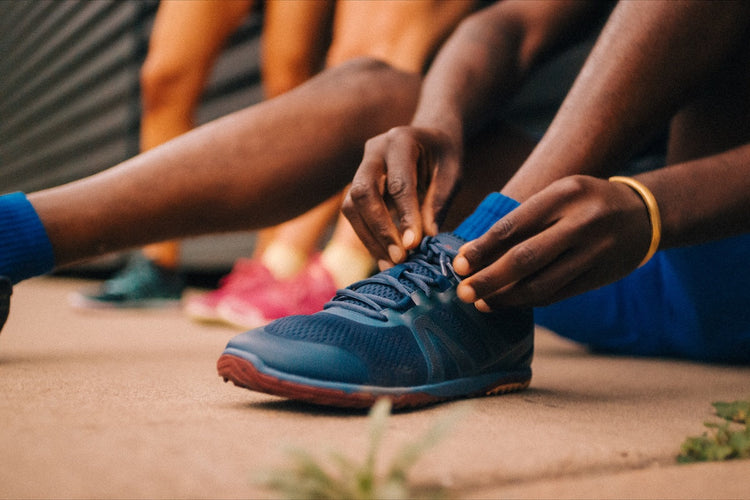
Say you’ve heard all the benefits of walking in barefoot shoes and you’re ready to make the jump. Make sure you know what to look for when shopping. The best barefoot shoes for walking have a wide, foot-shaped toe box, a thin and flexible sole, and a zero-drop design that keeps your heel and forefoot level. Just as important is fit: your toes should have room to spread while your heel and midfoot stay secure. There is so much guidance on finding the right running shoes, but walking has different needs. For one, most people land heel first when they walk, and some days you might be climbing hills or carrying a weighted vest. Here’s what to look for, with advice from a podiatrist, a chiropractor and the designer behind our new walking shoe. Are Barefoot Shoes Good for Walking? “Barefoot shoes can be great for walking,” says Dr. Alissa Kuizinas, DPM of Wellness in Motion. “They allow the foot to utilize the full range of motion of the joints, and to use all of the lower extremity muscles fluidly. They also allow great feedback from the ground.” However, barefoot shoes may not be an instant fit for everyone. Dr. Kuizinas notes that people with limited joint mobility, current injuries or significant stiffness may need more time, and that soft surfaces are easier to start on than pavement. Barefoot vs. Zero Drop Shoes Going completely barefoot isn't for everyone and isn't right for every occasion. The good news is that you can walk in barefoot (or minimalist) shoes instead. That's why we created Xero Shoes - so you feel the benefits of being barefoot while still protecting your feet. Barefoot shoes are designed to feel like you’re barefoot with a foot-shaped design and minimal cushioning, but you get a balance of ground-feel and much-needed protection. People often use barefoot and zero-drop shoes interchangeably, which isn’t accurate, since you can have a zero-drop shoe with a stiff, or highly cushioned sole. Zero-drop shoes are characterized as flat from heel to toe. When it comes to walking, Dr. Matt Driscoll, DC of Driscoll Chiropractic, says that a zero-drop design creates a more balanced relationship between the muscles on the front of the lower leg (the shin muscles) and those on the back (the calves). “This allows muscles to regain their optimal length and strength, improving their ability to absorb force efficiently and enhance movement.” The Barefoot Shoe Checklist The characteristics of a truly “barefoot shoe” are: Foot-shaped toe box Zero-drop, flat from heel to toe Flexible sole that bends and flexes with your feet Thin sole with minimal cushioning for ground feel No arch support Lightweight . Two Tests You Can Do at Home Toe Box Test: Take out the insole and stand on it. If your foot spills past the edges, the shoe is too narrow. Dr. Kuizinas says “your toes should sit comfortably without scrunching.” Flex Test: Bend the shoe toe to heel, then twist it. It should move easily in your hands. Xero Shoes checks all the “barefoot boxes.” But it’s not just about the design, it’s how you wear the shoes. Once you decide how you’ll wear barefoot shoes, like for workouts, hiking or casual wear, you’ll find more activity-specific features. What to Look for in Barefoot Walking Shoes There are a few specifics that you’ll want to look for as you pick out barefoot walking shoes. Dr. Kuizinas says the features that matter most for walking shoes are the fit, cushion level, and structure of the shoe. Walkers want to find the shoe that matches their specific foot needs. Fit When you’re walking, having room for the toes to spread out helps power the push off as you move through your stride. Having wide shoes or wide feet is different than a wide toe box. It’s important that the design is foot-shaped where the toe box is wide but the heel and midfoot are held securely in place, instead of wide throughout the entire shoe. Width isn’t the only thing that matters, consider depth too: if you have larger toes or toes that curl, you may need a taller toe box Sole Thickness “Ideal thickness of the sole really depends on the person,” says Dr. Kuizinas. “For some people a thinner sole is great because it allows for excellent ground feel and feedback and improves stability and balance. For others, thicker soles can be helpful to attenuate shock.” That’s the thinking behind the Pacer Lite: it’s a walking shoe that still has a thin, flexible 13.5mm sole for ground feel, but added protection with a heel crash pad right where walkers land. Flexibility Your feet are meant to bend and flex naturally throughout your walking gait, so that’s why sole flexibility is so important for everyday walking. Walking shoes with a flexible sole that can bend easily promotes natural movement through the foot's range of motion. Upper and Breathability If you’re logging your 10,000 steps, you may spend longer in walking shoes than in a pair you wear for a quick run. You’ll want a shoe with a breathable upper to keep feet cool on long miles. The Pacer Lite’s flexible upper features breathable engineered mesh. Traction Look for tread where your foot actually meets the ground: under the heel, where you land, and under the ball of the foot and big toe, where you push off. The more varied your walks (pavement, park paths, hills), the more traction matters. Does a Walking Shoe Need Anything Different? Yes. Walking loads your foot differently than running. You land heel first more often, and one foot is always on the ground. “Barefoot shoes will require you to use your full range of motion of the joints in your lower body,” Dr. Kuizinas says. “Features such as cushioning level, added stability components, and heel-toe drop will affect peak pressures on joints and how much muscle force is required with each step.” When you look into the technical design of creating a barefoot walking shoe, there is much more that goes into it than you think. The design team mapped four ways people use walking shoes, from most to least common: walking, fast walking, hilling (walking uphill), and rucking (walking with a weighted vest or pack). Walking uphill shifts weight to the ball of your foot and toes, so a flexible forefoot allows for natural motion. You also need traction under the forefoot so you don’t slip. Rucking adds weight to every step, putting more pressure on your heel and the ball of your foot. That’s where an outsole needs extra durability. Sizing You may have learned that you need a certain amount of space between your toes and the front of your shoes. That’s because most shoes taper inward and squeeze your toes, so you’re adding a thumb’s width or more to make your toes feel more comfortable. With barefoot shoes, you may not have to size up, especially if you have a narrower foot. Your toes will still have room to spread, but your shoes will feel secure as you’re walking. Learn more about sizing your Xero Shoes. When shopping for barefoot walking shoes, prioritize a foot-shaped toe box, a thin and flexible sole, and a zero-drop design. Then look for features made for how you walk. That’s exactly what we built the Pacer Lite to do. FAQs How much room should a barefoot shoe’s toe box have? Dr. Kuizinas says to look for a wider, foot-shaped toe box that allows your toes to spread. You may also want to look for a taller toe box depth, particularly if you feel you need more room above your toes. How thick should a walking shoe’s sole be? A thinner sole gives you better ground feel and feedback. But Dr. Kuizinas notes that for some people, “thicker soles can be helpful to attenuate shock and reduce overall loading of the feet with each step.” It depends on your foot strength, flexibility and how used to barefoot shoes you are. Can you wear other barefoot shoes for walking? Yes, most barefoot shoes have the same features like a wide toe box, zero-drop flexible sole, and minimal cushioning, you’ll get ground feedback and natural comfort. The Pacer Lite barefoot walking shoe, has a walk-specific outsole that was designed for the walking gait, featuring a small layer of foam in the heel to absorb the impact from heel striking, which is common in walking. Are barefoot shoes good for rucking or walking with a weighted vest? Since rucking adds more load to your steps, barefoot shoes can be a good step up once your feet are adjusted. Adding weight increases the load on your feet, so build up to it gradually. The Pacer Lite’s outsole was designed with rucking in mind, with larger lugs at the heel and ball of the foot, where weighted walking puts the most pressure. As Dr. Driscoll says, the key is to transition gradually, listen to your body, and allow sufficient time for adaptation. More info on transitioning to barefoot shoes. The content of this post is for educational and informational purposes only and does not constitute and is not intended to be a substitute for professional medical advice, diagnosis or treatment. Always seek the advice of a physician or other qualified health provider with any questions or concerns you may have about your health or a medical condition. About the Expert: Dr. Alissa Kuizinas Dr. Kuizinas, DPM, is a board certified podiatrist who's passionate about foot health. She loves seeing patients transform their feet without surgery or invasive procedures. She is based in Boston, where she sees patients virtually and in-person at her practice, Wellness in Motion.
Max-Cushion vs. Barefoot Shoes: It’s not All or Nothing
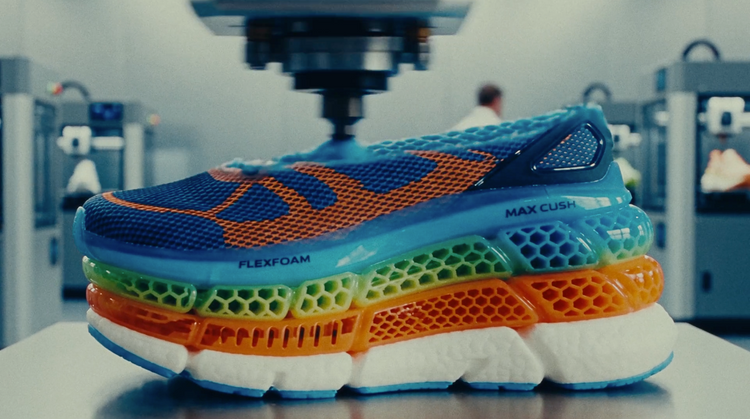
Look around the gym, the jogging paths, or the coffee line, and you'll notice a lot of shoe between most people’s feet and the ground. Max-cushion shoes, with their thick stacks of soft foam, are everywhere. A recent Wall Street Journal article interviewed podiatrists, sports-medicine doctors, and coaches about how cushioning changes the way we move. So is more cushion bad? Not exactly. Cushioning is a trade-off: it can feel great, but it changes how much your feet feel and do with every step. Their advice wasn’t to go all-in on cushioning or minimal. It was to mix up your footwear, rotating between shoes with different cushioning and stack heights. What are max-cushion shoes? Max-cushion shoes have a thick layer of foam between your foot and the ground. According to the WSJ article, some carry close to two inches of it. This could add stack height and heel-to-toe drop. Stack height is the thickness of the sole and how far your foot sits above the ground. Heel-to-toe drop is how much higher your heel sits than your toes. Xero Shoes and true barefoot shoes are always zero-drop, so the heel to toe are the same level, and typically close to the ground. Today it's hard to find a running or walking shoe that isn't sitting on a platform of foam. We think there’s a good case for adding barefoot shoes to your shoe closet. What changes with more cushioning? Thick foam changes two things: how much information your feet get from the ground, and how much they have to work to keep you steady. Ground feel. Your feet have thousands of nerve endings that provide feedback to the rest of your body. Dr. Ray McClanahan, DPM, a podiatrist of NW Foot & Ankle, says that feedback plays a big role in how well we move. “Thick shoes can blunt sensory information and hamper human movement.” Stability. Think about standing on a pillow. Your foot sinks into the soft surface and has to work harder to balance. Stack another pillow and it may be even harder to balance. You may notice your feet wobble side to side and your ankles and knees may quiver. Now just stand barefoot on the ground. Notice how the direct contact to the ground feels. You may see your toes spread out. Do you feel more stable? Curious how footwear plays into balance? Here's what one study found about minimal shoes and balance. Impact. You might expect more foam to soften every landing, but a 2018 study in Scientific Reports found the opposite. Researchers had 12 runners try both a max-cushion shoe and a conventional running shoe. In the max-cushion pair, their legs stiffened more on landing and the initial impact force was higher, especially at faster speeds. The researchers think the body may brace against soft foam, much the way it does when running on a softer surface. The study was small and looked at running, not walking, but it's a good reminder that more cushion may not soften the impact. Learn more about just what happens when you take a step. Thin, flexible soles are core to every Xero Shoes design: they protect your feet while letting you feel the ground. What can the barefoot running boom teach us? In the late 2000s, the bestselling book Born to Run sparked a barefoot running craze. Lots of people traded their cushioned shoes for barefoot shoes overnight. That led to some backlash, because many people's feet never got the chance to adjust. It was too much change, too fast. Dr. McClanahan has worked with athletes for 31 years. He recommends controlled barefoot training to the athletes he treats. His advice for everyone else: "Our feet and bodies are capable of so much more than most people realize. If you want to learn what you are really capable of, pay careful attention to what you put on your feet, and your body will thank you for years to come." Xero Shoes' advice: go slow and let your feet adapt as you transition to barefoot shoes. How to add barefoot shoes to your rotation You don't have to throw out all your cushioned shoes. If anything, the experts interviewed in WSJ recommend rotating shoes with different amounts of cushioning and stack height, and introducing any new style very gradually. We like to call it microdosing. Here's a simple way to start: Week 1: Wear barefoot shoes for 2-3 short walks or errands. Week 2: Add 5 minutes to your walks or an extra errand. Weeks 3 and 4: Wear them every other day and go a little longer each time. After that: Work them into everyday wear. If you’re eager to run in barefoot shoes, it’s best to ease gradually. Dr. McClanahan says that people who suddenly switch to barefoot style shoes when they haven't properly trained their bodies to do so safely is what tends to get people in trouble. He recommends a slow progressive transition. “... for those new to barefoot shoes, it can take months to years to accomplish without injury.” Listen to your feet as you go. Tight calves or tired feet are common as they adapt, so slow down if you need to. FAQ What is stack height in shoes? Stack height is the thickness of a shoe's sole, or how far your foot sits above the ground. Max-cushion shoes have a high stack height. Barefoot-inspired shoes have a low one, often just a few millimeters, so you can feel the ground beneath you. Are zero-drop shoes the same as barefoot shoes? Not always. Zero-drop means your heel and toes sit at the same height. A shoe can be zero-drop and still heavily cushioned. Barefoot-inspired shoes are zero-drop and also have a thin, flexible sole and a wide toe box that lets your toes spread. Can I wear barefoot shoes and cushioned shoes in the same week? Yes, and it's a great way to start. Rotating between different types of shoes gives your feet a variety of experiences. Start with short sessions in barefoot-inspired shoes, like a walk or an errand, and add more time as your feet adapt. How long does it take to get used to barefoot shoes? It varies from person to person. Some people feel at home within a few weeks of everyday walking, while others take several months, especially before running. Start small, pay attention to how your calves and feet feel, and increase your time gradually. Learn more about transitioning to barefoot shoes. The bottom line: rotate your shoes You don’t have to make the choice for max cushion or barefoot. Different shoes change how your feet feel and move. Many experts agree: different shoes introduced slowly, beats an overnight switch in either direction. The content of this post is for educational and informational purposes only and does not constitute and is not intended to be a substitute for professional medical advice, diagnosis or treatment. Always seek the advice of a physician or other qualified health provider with any questions or concerns you may have about your health or a medical condition.
Can Your Shoes Affect Your Balance? What a Year-Long Study Found
Try this: stand on one foot. Now close your eyes and start counting. If you started wobbling before you hit 10, you're not alone. It doesn’t matter whether you're 35 or 75, balance is one of those skills you don't think about until it slips. The good news: it's trainable at any age, and a 2025 randomized control trial published in Gerontology suggests something as simple as your shoes may play a bigger role than most of us realized. Why Does Balance Matter At Every Age? Balance is one of the ways your body’s systems work together. Every time you stand, walk or change direction, your brain blends three streams of information: what your eyes see, what your inner ear senses, and what your feet and joints report about where you are in space (that’s proprioception). Your body makes constant, tiny corrections to keep you upright. When balance starts to slip, it's often an early sign that one of those systems is getting less practice. Balance is a use-it-or-lose-it skill, so the habits you build in your 30s and 40s are the ones you'll be standing on later. According to the Centers for Disease Control, falls remain one of the leading causes of injury and death in older adults (ages 65+). A 2022 study in British Journal of Sports Medicine suggests that older adults (ages 51-75) who struggled to stand on one leg for 10 seconds had nearly twice the risk of premature death than people who reached the 10-second mark. How Do Your Feet Affect Your Balance? Your feet are the only part of your body actually touching the ground. Each foot is estimated to have more than 200,000 nerve endings, so direct contact with the ground is the best way to take in sensory information. To be clear, you need shoes to protect your feet. But you can pick a pair that works with your body and has as little between your feet and the ground. 2018 research published in Maturitis suggests that foot problems, such as weak foot muscles, foot pain, pronation, or even hammer toes, could be a risk factor for falls in older adults. What Did the Study on Minimalist Shoes Find About Balance in Older Adults? Now back to the study: “Effects of Long-Term Minimal Footwear Use on Fall-Risk and Fall Incidence in Older Adults”. The study followed 65 older adults (65+) with established fall risk for a full year. The results showed improvements in balance for older adults (65+) who wore minimal shoes, compared to those who simply did range-of-motion exercises. What participants did. The footwear group wore minimal shoes (the Xero Shoes Aptos), starting with 30 minutes of walking a day, either all at once or for shorter periods. Over time they wore the shoes for more of their daily life, building up to 7 to 8 hours a day. The control group did seated upper- and lower-body range-of-motion exercises that left out the toes, feet and ankles. How balance was measured. Tests included sit-to-stand, one-legged balance, and standing on a firm or softer surface with eyes open or closed. What they found. The minimal-shoe group showed significant, sustained improvements in balance at 16 weeks and again at one year. The control group showed essentially no change. Even if you’re not an older adult or at risk with balance, the participants in the study improved their balance just by simple daily changes. You can practice balance at any age. What Makes A Good Shoe for Balance? The results of the study suggest that wearing minimal footwear, and slowly adapting to wear in your daily life, could improve dynamic balance. But just how do your shoes play such an important role? The study defined minimal footwear as shoes that are thin, flexible enough to fold in half, and have a wide toe box. The authors suggest these features may give your feet a wider base, more sensory feedback, and more room for the small muscles inside your feet to do their job. The Aptos used in the study has since been discontinued, but every pair of Xero Shoes is built around the same barefoot features: Flexible: Thin, flexible soles let your feet bend and feel the ground Wider Toe Box: A foot-shaped design gives your toes space to splay Zero-Drop: The shoes are flat from heel to toes We like to think the best shoes are those that you don’t even realize you’re wearing.’ Everyday Ways to Practice Balance Simply standing on one foot is one of the easiest ways to practice balance. It’s also another indicator of longevity, as mentioned in the earlier 2022 study in British Journal of Sports Medicine. It’s easy to incorporate one-legged balancing into your everyday life, and it’s never too early to start. Practice standing on one leg while: Brushing your teeth Standing in line Cooking dinner on the stove Waiting for your coffee to brew During a meeting or phone call Start by standing next to a counter or wall to hold onto for added support then progress to standing without support. Challenge yourself: Close your eyes Stand on your non-dominant foot Pin your arms to your sides so you don’t have counter-balance Don’t hop on the standing foot Stand on an unstable surface like a foam pad, pillow or BOSU balance trainer Say you’re an athlete and already doing sport-specific training. Single-leg moves like split squats, step-downs and single-leg deadlifts put the same skill to work under load. How to Start Wearing Minimal Shoes Do what the study participants did: start small. Just walking in minimalist shoes is a good first step. The participants walked in minimalist shoes for 30 minutes daily, and slowly incorporated wearing them daily throughout the course of a year. And if you need more guidance, learn more about transitioning to barefoot shoes. Want to strengthen your feet and discover other simple exercises that could unlock better balance? Check out these foot core exercises. For anyone thinking seriously about longevity: the next frontier of healthy aging may not require a new supplement or biohack. It might be reconsidering something as basic as what’s on your feet. Shoe Picks Slip Ons: Dillon Canvas Slip-On Pagosa collection Prio Coast Coast Suede Xero Shoes’ Most Minimal Styles: Genesis (5mm) Speed Force II (6mm) Cassie Knit (6.5mm) Z-Trek (7mm) FAQs Did the Gerontology study show any correlation to minimalist shoes and falls? Falls trended in the minimal-shoe group's favor: about 77% stayed completely fall-free over the year, compared with 52% of the control group. But that difference wasn't statistically significant, so the study doesn't show whether minimal shoes affect how often people fall. Where do I find the Xero Shoes used in the study? Xero Shoes’ Aptos shoe was used in the study, and the shoe is discontinued. The Dillon Canvas Slip-On is a close design to the Aptos, featuring a slip-on design. I’m young, when do I really need to start working on my balance? Building a habit early is never a bad thing. If you’re an athlete, chances are you’re already doing balancing drills without realizing it. Incorporate one-legged balances or weight exercises into your routine to challenge yourself. Are all zero-drop shoes minimal? No. Zero-drop only means a shoe is flat from heel to toe, and some zero-drop shoes still have thick cushioning. The study tested minimal shoes: thin, flexible enough to fold in half, with a wide toe box. Learn more about zero-drop shoes. Should I check with a doctor before switching? If you have concerns about your balance or your health, talk to your doctor before changing your footwear or routine. Either way, transition gradually. The content of this post is for educational and informational purposes only and does not constitute and is not intended to be a substitute for professional medical advice, diagnosis or treatment. Always seek the advice of a physician or other qualified health provider with any questions or concerns you may have about your health or a medical condition.
A Podiatrist Explains How Shoes Impact Your Foot Health
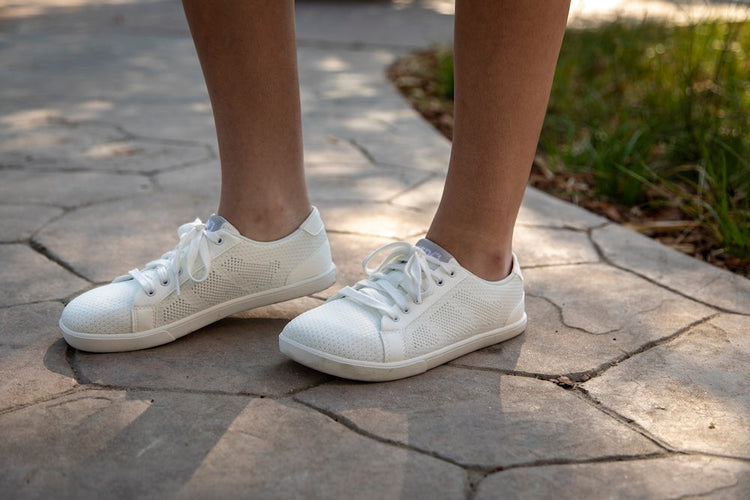
Massachusetts-based podiatrist Dr. Alissa Kuizinas (and Xero Shoes Partner) has more than a medical perspective on footwear. She struggled with foot discomfort for years. With each step she took, her big toe would jam against the inside of her shoes – “even with my ‘good shoes’ on,” she recalls. The $133 billion shoe industry has footwear specialized for every situation. Workout shoes. Hiking boots. Running shoes. Even walking shoes. And the solution to foot problems? The typical suggestion is more cushion, more support, and a more rigid structure to immobilize your foot. But is that the right approach to shoes? Your Foot Issues Might Be a Shoe Problem “Traditional medicine would recommend that I wear custom orthotics, limit my activity and wear stiff-soled shoes until the pain becomes bad enough to require surgery,” Dr. Kuizinas says. “I knew there had to be a better solution.” The deeper this foot doctor delved, the more she found that her feet weren’t the problem. It was her shoes! “Even though shoe companies spend millions of dollars on technology and design development, the shoes they produce and sell are doing a major disservice to human feet,” she explains. “From cushioning to heel-toe drops, stiff soles to narrow toe boxes, nearly every aspect of a modern shoe has a negative impact on foot movement. It leads to an epidemic of dysfunctional, weak, and malfunctioning feet. And most of us aren’t even aware this is happening!” Get Out of the Way of Your Feet “The primary purpose of shoes is to protect our feet from the elements and from different surfaces,” Dr. Kuizinas says. “They’re for when we are out in the world walking on a slippery or wet surface. Ultimately, shoes are really there JUST for that purpose. They don’t need to be bulky and restrictive, or supporting our feet. Our feet are designed to support themselves!” Think of any muscle in your body. If you use it, work it, and challenge it, what happens? It gets stronger. And if you don’t use it, or even worse, immobilize it, it gets weaker. The same is true of the muscles in your feet. Your Feet Are Made to Be Strong Your feet are made to support the entire weight of your body. They’re meant to be strong. For them to maintain that strength, they need to work. And that means your shoes shouldn’t be doing their work for them. So… why not just walk barefoot all the time? Research supports the idea of slight “protection” being beneficial. A study comparing outdoor barefoot walking with minimalist footwear found that the shoes improved walking form in both younger and older adults, and reduced risk of falling. Dr. Kuizinas recommends a ‘as little shoe as possible’ approach to footwear, putting the focus on building resilient, capable feet. “Rather than building up the shoe to try to externally support the foot and limit motion, minimalist shoes get out of the way of our feet,” she says. “They allow feet to function naturally, to move and bend. The transition to minimalist shoes involves stripping down the unnecessary and harmful components of modern shoes so that feet can be feet again!” When working with clients today, Dr. Kuizinas shies away from the term “minimalist shoes.” Instead, she likes to talk about “functional shoes” or “natural shoes.” “Natural footwear is really on the leading edge of shoe technology,” she says. “By stripping away the unnecessary and downright harmful features of shoes, we allow feet to function effortlessly as they were designed to!” And when we do that, we give our feet the chance to grow strong and capable... the core of good foot health. How to Find a “Functional” Shoe that Supports Good Foot Health Dr. Kuizinas has a three-point checklist of what she looks for in a functional shoe, which not-so-coincidentally match up with the three major functions of the human foot during walking. “The foot has three jobs: to be a ‘mobile adaptor’ or shock absorber when it first hits the ground, to be a rigid lever during push-off, and to be a sensor of the environment,” she explains. “As long as it can do these three things, it will function well.” Here’s how she says those functions should be reflected in the shoes you wear: Wide Toe Box: “Functional sneakers should have a wide, foot-shaped toe box. They’re broad enough to allow our big toe to sit in a proper alignment.” Flat & Flexible Soles: “Our feet contain 26 bones and 33 joints. And joints are designed to move! A flexible sole allows for natural foot movement. By contrast, stiff and rigid shoes with elevated heels prevent the joints from fully moving through their range of motion and limit the foot.” Minimal cushion and support: “A functional shoe should be only as cushioned as you really need. Overly cushioned shoes dampen your perception of what’s going on with your feet, and your ability to walk well.” If you follow these simple standards, you’ll find shoes that support your foot health by not doing so much to support your feet! Be Patient and Build Up to Barefoot Both from her personal experience and in her professional practice, Dr. Kuizinas recommends being patient when it comes to transitioning to full-time “functional” footwear. In the early days, she recommended a one-two approach of wearing functional shoes primarily for low-impact activities like walking and running errands, while also going barefoot around the house to help build resilience in the feet and ankles. “As your foot function improves, you’ll be able to tolerate less arch supportive shoes for greater amounts of time,” she explains. In not too much time, you’ll find yourself able to enjoy walking, running, hiking, and anything else you love to do more... because you’ll feel steadier and more stable on your feet. Not sure where to start? Explore our shoe finder here, best barefoot shoe for you, for a tailored list of recommended styles, or shop the full lineup below. Men's Barefoot Shoes | Women's Barefoot Shoes | Best Wide Toe Box Shoes The content of this post is for educational and informational purposes only and does not constitute and is not intended to be a substitute for professional medical advice, diagnosis or treatment. Always seek the advice of a physician or other qualified health provider with any questions or concerns you may have about your health or a medical condition. About The Expert: Dr. Alissa Kuizinas Dr. Alissa Kuizinas, DPM, is a board certified podiatrist who's passionate about foot health. She loves seeing patients transform their feet without surgery or invasive procedures. She is based in Boston, where she sees patients virtually and in-person at her practice, Wellness in Motion.
How to Walk Barefoot: Form, Tips and Benefits
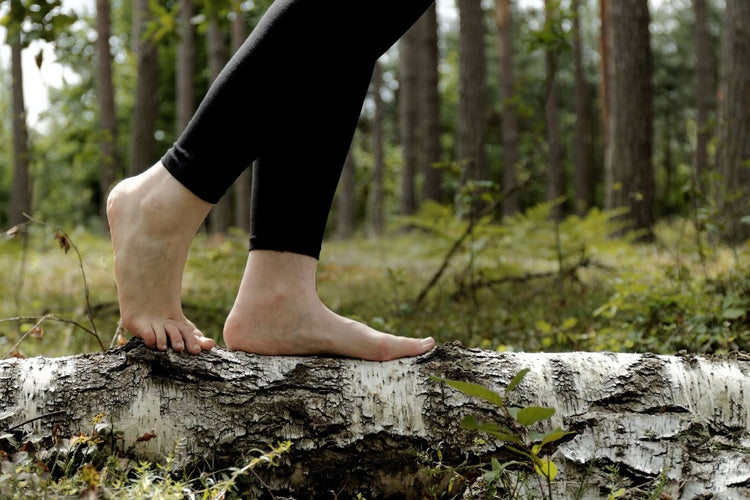
Walking is low-impact, accessible and easy to do anywhere. 2013 research in Arteriosclerosis Thrombosis, and Vascular Biology suggests walkers get 80 percent of the cardiovascular benefits of running, with 40 percent less joint impact. So just how popular is walking? In a site survey on xeroshoes.com (February 2026), we found that 80 percent of our customers walk 4-7 days a week. With the popularity of walking, do you really need to learn how to walk? After all, you've been doing it since you were a toddler. Walking barefoot well comes down to a few simple things: land with your foot under your body instead of reaching out in front, push off with your glutes, and stay tall and relaxed. What is the Right Way to Walk? This could be a loaded question. There are many factors that go into every person’s walking gait, like biomechanics, injury history, and environment. You walk differently based on circumstances too. Your gait will change if you’re walking uphill or downhill, walking fast or walking slow, or walking on different surfaces. If you're a daily walker, an athlete who walks for active recovery, someone whose job keeps you on your feet, or just curious about walking barefoot, this guide is for you. What is Your Walking Gait? Gait is the way you walk. Every step has two phases and five movements. A full gait cycle is measured by a full cycle of one foot, from hitting the ground to the next time that same foot hits the ground. Stance phase (about 60% of each step): your foot is on the ground. Heel strike: your foot meets the ground under your body. Load and brake: your weight shifts on, and your foot and ankle absorb and control it. Mid-stance: your body passes over a stable, flat foot. Push-off: your heel lifts and your big toe levers you forward. Swing phase (about 40%): your foot is in motion. 5. Swing: your leg travels forward into the next step. Those five movements are the same for everyone, but how they look varies from person to person. “There is no best walking gait cycle,” says Dr. Ray McClanahan, DPM, a podiatrist who has treated athletes for more than 30 years. “Human gait is highly dependent on so many individual variables, that there is no universal standard that can be applied to all humans.” What Are the Benefits of Walking Barefoot It's possible to learn good walking form in shoes, but going barefoot is faster and easier. Modern shoes have cushioning and a stiff structure that can get in the way. Some have a narrow toe box that squeezes your toes together and elevated heels that alter your posture. Together, these could affect how your feet move. By walking barefoot, you become your own best teacher about proper walking form. Good form feels good. You’ll notice bad form because it will feel off. You may also feel lighter on your feet. With nothing protecting your soles, you naturally pay more attention to how and where you step. Remember sneaking out of the house and trying to walk as quietly as possible? It's a lot easier barefoot. Heel height plays a role too. According to Dr. Matt Driscoll, DC of Driscoll Chiropractic, a zero-drop design, "meaning there is no height difference between the heel and the forefoot, helps create a more balanced relationship between the muscles on the front of the lower leg (the shin muscles) and those on the back (the calves). If you do need to wear shoes, choose minimalist shoes that are flexible, low to the ground, and foot-shaped, with a zero-drop sole, like Xero Shoes. A 2019 study in Medicine and Science in Sports and Exercise suggests just walking in barefoot shoes can be as effective as foot-strengthening exercises at increasing foot muscle size and strength over 8 weeks. When you feel more connected from the ground up, you may also feel more stable. Walking Form: How Should My Foot Land When I Am Walking? Runners are familiar with forefoot striking, midfoot striking, and heel striking. Does it matter when walking? You don't need to force yourself to land on one particular part of your foot. Depending on your speed, terrain and what you're doing, you might contact the ground with your heel, midfoot or forefoot. You want to land with your foot underneath your body (or close to that). Reaching your foot significantly out in front of your body is called overstriding and can feel like you're putting on the brakes with every step. Bring your foot closer underneath you, and the movement can feel smoother. Try it yourself. Take a few exaggerated steps, reaching your leg far in front of you. Then take several shorter steps, letting your foot land closer to underneath you. Notice the difference. Foot placement is just one part of the picture. As Dr. Driscoll puts it, "The upper body should remain relaxed and loose, while most of the movement and force generation occurs from the hips down." That's where your glutes and hamstrings come in. How to Walk Barefoot If you want to learn the natural way to walk, follow these steps from Xero Shoes founder Steven Sashen. Obviously Steven spends a lot of time barefoot or in our barefoot shoes, but he also has a background as a Master’s All American Sprinter and Gymnast. So it’s safe to say, he knows about natural movement. Want to see this in action? Watch the video below with Steven, then use the steps below to dial in your form. Step 1: Start by taking off your shoes You want your feet to be free to move and feel the ground. Try a flat surface like a driveway or your living room floor. Step 2: Walk with your glutes, not your hip flexors Your glutes and hamstrings are your body’s “prime movers,” but most people rely too much on their hip flexors when they walk. Try this instead: Lift one foot slightly off the ground and don’t swing it forward Push your standing leg backward (like you’re skating) Let your lifted foot land naturally under your body Repeat on the other side This helps you move using your glutes, instead of pulling yourself forward with your hips. At first, it may feel a bit robotic.That’s normal. You’ll find that you have to shorten your stride length while walking. As you get more comfortable: Don’t push as far back Let each step flow into the next Stay relaxed Your stride will change depending on what you're doing. Sometimes you'll reach forward. Sometimes you'll land on your heel, and other times closer to your midfoot or forefoot. Speed, terrain and incline all change the way you move. Step 3: Stand tall Walking is a full-body movement. It involves your ankles, knees, hips, torso and arms, not just your feet, so engage your core too. A simple trick: picture an invisible string pulling the top of your head upward, so your knees, hips and shoulders stack on top of each other. You'll stand taller without forcing it. Step 4: Let your arms swing Let your arms swing naturally with your stride. Don't hold them stiff or pump them hard. They'll find their own rhythm, moving opposite your legs. If you’re struggling with your gait in general, you may want to consider a gait analysis. Our friends at Gait Happens in Colorado have a great walking gait analysis or can recommend a practitioner near you. How Can I Transition to Walking Barefoot (or in Barefoot Shoes)? You don’t necessarily have to “train” to walk in barefoot shoes or walk barefoot, but depending on the type of shoes you’re accustomed to wearing, you may need to ease into walking with less between your feet and the ground. Start small. Start by wearing barefoot shoes and walk around the block, just 5-10 minutes. As your body feels comfortable, increase time. Adding just 5 minutes every few walks is a good place to start. Keep the pace easy. Walk at a pace that feels comfortable to you. You should be able to easily hold a conversation without feeling out of breath. As you get more comfortable, you can increase your pace. Pick smooth surfaces first. You can start on grass or a smooth dirt path (like at a park) to feel a naturally softer surface, before moving to pavement. Progress to trails with rocks and roots after you’ve been walking in barefoot shoes for a while and don’t feel sore, as trail terrain can challenge different muscles. If you’re already wearing zero-drop shoes, the transition to walking in barefoot shoes will be easier. Read more tips about transitioning to barefoot shoes. Going fully barefoot? If you already wear barefoot shoes, your feet are likely ready. Just pay attention to what you're walking on. Watch for rocks, roots and debris, and protect your feet from hot or cold surfaces depending on the season. Listen to your Body Don’t worry about how your foot lands. Heel, forefoot, or flat are all fine. Walking has a much lower impact than running. When you can feel the ground, your body naturally starts adjusting your stride. Over time, walking barefoot can feel smoother and more efficient, and you'll probably notice other parts of your body relax too. Use the 4-out-of-10 rule. Dr. Driscoll gives his patients a simple guide: "If discomfort rises above a 4 out of 10 during an activity, it may be a sign to stop, modify the activity, or reduce the volume." Below that, it's more likely normal soreness from adjusting to a new way of moving. Most importantly, have fun! Barefoot unlocks an entirely new sensation to your walking. FAQs Is walking barefoot good for you? Dr. McClanahan explains why: “When we walk barefoot, or in barefoot style footwear, we benefit from the information fed to our nervous system through the specialized skin on the bottoms of our feet... Thick shoes blunt this critical sensory information and hamper human movement.” So yes, as long as you ease into it, it’s a good practice. Dr. Driscoll says one of the biggest benefits is "simply giving our foundation, our feet, the attention they deserve." The main risks are doing too much too soon, which can leave you sore, and the surfaces themselves: sharp debris, and hot or cold ground. Build up gradually and watch where you step. As Dr. McClanahan says, “This is not a problem with being barefoot, or wearing barefoot shoes; this is a training error, that can be addressed with a slow progressive transition.” Do podiatrists recommend barefoot or minimalist shoes? Many do. Dr. McClanahan says, “As a sports medicine physician who has treated athletes for 31 years, I can tell you that the most potent strategy for staying out of my treatment room... is to introduce controlled barefoot training, and wear barefoot shoes all the time.” Can you wear barefoot shoes all day, every day for walking? At Xero Shoes, we believe your feet already have the strength they need. Our barefoot shoes feature a foot-shaped design that looks and fits the way your foot looks. The toe box is roomy and gives your toes room to spread, and the flat, flexible sole allows your foot to bend and flex naturally through a walking stride. Once your muscles get used to more range of motion and natural movement, you may find barefoot shoes are the only shoes you want to put on for walking or all-day wear. Can you walk barefoot with flat feet or high arches? Yes. Your foot type matters less than wearing shoes that allow for comfortable, natural movement. People with flat feet may find a flexible, zero-drop shoe may encourage the foot and lower leg to activate as you walk through your day. The low-to-the-ground feel can help feel more engaged and connected to the ground. If you have high arches, you may appreciate a shoe that does not squeeze your toes or force your foot into a narrow shape. A roomy toe box gives your toes space to spread, while a flexible sole allows your foot to bend and adjust as you move. Learn more about flat feet and high arches. Is it normal for my calves and feet to be sore after walking barefoot? Yes, mild soreness is normal at first. Dr. Driscoll says, "What I commonly see when patients transition from conventional footwear, especially shoes with elevated heels and narrow toe boxes, to minimalist footwear is temporary soreness in the feet, calves, hips, or lower legs. This soreness is often a normal part of the adaptation process." Delayed onset muscle soreness can show up 1 to 3 days after activity and fades as your muscles adapt. Use the 4-out-of-10 rule above as your guide for when to ease off. How long does it take to transition to walking in barefoot shoes? It varies, because everyone's feet, gait and biomechanics are different. Many people feel adjusted within a few weeks to a month, according to Dr. Driscoll. For those who’ve worn conventional shoes for decades, Dr. Ray says a full transition can take longer, sometimes months or more. The key, both say, is to progress gradually. For more, check out our guide to transitioning to barefoot shoes. Can walking in barefoot shoes cause back pain? In most cases, no. According to Dr. Driscoll, "Pain and soreness are not the same thing. In most cases, I would not say that barefoot or minimalist shoes directly cause back pain. However, every individual is different, and each situation should be evaluated on a case-by-case basis." Temporary soreness while you adjust is common. If you're unsure what you're feeling, use the 4-out-of-10 rule above, and check with a healthcare provider if it doesn't ease up. How do I start walking in barefoot shoes if I sit most of the day? Start by going barefoot more at home, then add short walks. Dr. Driscoll recommends small, everyday changes, like skipping slippers around the house. He also likes to exercise barefoot at home. Once your feet feel ready, follow the transition plan above. Are there groups who should be more cautious of walking barefoot? Yes. Anyone new to barefoot shoes should ease in gradually. Dr. Ray notes that the older you are and the longer you’ve worn conventional shoes, the longer the transition may take. People who have reduced feeling in their feet, such as from neuropathy, should talk with their healthcare provider before going barefoot or switching to barefoot shoes. “These people are at risk of damaging their feet, without their nervous system providing adequate protection,” Dr. Ray says. Is walking barefoot on concrete or hardwood floors bad for your feet? For most people walking on hard surfaces is fine. Humans evolved in places with packed mud that’s as hard as concrete and didn’t wear shoes. Your muscles, ligaments, and tendons have everything you need for protection: they are natural springs and shock absorbers. By practicing the fundamentals of walking, you don’t need added protection on hard surfaces. However if you’re not used to barefoot walking or spend a lot of time in cushioned shoes, start by walking on the grass or softer surfaces first. The content of this post is for educational and informational purposes only and does not constitute and is not intended to be a substitute for professional medical advice, diagnosis or treatment. Always seek the advice of a physician or other qualified health provider with any questions or concerns you may have about your health or a medical condition. Meet Our Experts Dr. Matt Driscoll Dr. Driscoll of Driscoll Chiropractic has a passion for improving his patients’ health and getting them back to their daily activities with well-rounded, sustainable solutions. He is a life-long learner and natural athlete who is continually searching for progressive techniques to advance the healing process for his patients. He aims to provide innovative care that improves not only current aches and pains, but overall health. Dr. Driscoll holds a Doctorate in Chiropractic from Northeast College of Health Sciences (formerly New York Chiropractic College), and carries advanced training in Active Release Technique (ART) and Foundation Training. He completed his undergraduate degree in Biology at St. John Fisher University. He currently resides in Webster with his wife, Kiersten, and their two daughters. Together they enjoy traveling, being active, serving in their church, reading, and spending time with family and friends. (Connect with Dr. Driscoll on Instagram)