How to Shop for Barefoot Shoes: A Buying Guide for You or as a Gift
You’re ready to make the dive into barefoot shoes but don’t know where to start. You’re in the right place.
When shopping for barefoot shoes, look for four things: a foot-shaped toe box, a zero-drop sole, minimal cushioning and a sole that flexes. Then pick a style built for how you’ll wear it. Shopping for someone else? The gift section below covers what to ask.
Shoes are harder to buy than most clothes. Instead of small, medium and large, you’re choosing from as many as 16 sizes (at Xero Shoes at least), plus width, fit and how the shoes will be worn.
If you’ve never tried barefoot shoes, that can add a few more variables. A few questions about foot shape and how the shoes will be worn make a big difference. And with more than 60 Xero Shoes styles to choose from, there’s a fit for almost every foot and activity.
So whether you’re buying your own first pair, shopping for the family member who can’t stop talking about theirs, or you’ve worn barefoot shoes for years and want everyone you know in a pair, here’s what to look for.
What Makes a Shoe a True Barefoot Shoe?
True barefoot shoes are designed to let your feet move and feel close to the way they do when you’re barefoot. Make sure the shoes you’re shopping for check all these boxes:
-
Foot-shaped: a wide toe box so your toes can spread, with a fitted heel and midfoot.
-
Zero drop: flat from heel to toe, with no built-in arch support.
-
Minimal cushioning: a thin sole that lets you feel the ground.
-
Flexible: a sole that bends as you move. Most fold in half easily.

How Much Ground Feel Do You Want?
Next, think about experience. If you already wear barefoot shoes, you probably know what you like and may want a sole that’s as close to barefoot as possible.
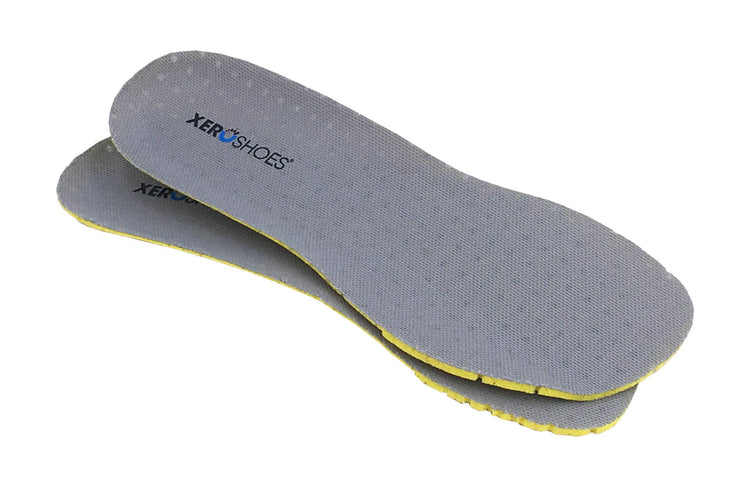
New to barefoot shoes? A slightly thicker sole can make it easier to transition to barefoot shoes. Barefoot shoes all have minimal cushioning, but sole thickness (sometimes called stack height) varies. Some are just a thin layer of rubber. Others, especially hiking styles, add a little more underfoot to balance ground feel and protection. Check for removable insoles, too, since they can change the space and feel inside the shoe. Most of Xero Shoes’ removable insoles are 3.5mm.
A few of Xero Shoes’ thicker-soled styles include the Alpine collection, Ridgeway collection, Pacer Lite, and Wynn.
And the most minimal include our Genesis sandal and Speed Force II Sneaker.
What Size Barefoot Shoes Should You Get?
It seems simple to start with your existing shoe size. But sizing differs between brands, and many people aren’t wearing the right size to begin with. A 2018 review of 18 studies in the Journal of Foot and Ankle Research found that 63 to 72% of people wore shoes that didn’t match the width or length of their feet.
The most reliable approach is to measure your feet and compare them to the size chart for the specific model you want.
Many people size up in running or workout shoes to get more toe room, which can leave the heel loose. Others size up because their feet are wide, which adds length they don’t need. Either way, a shoe that’s too big can rub. A barefoot shoe’s wide toe box feels comfortable when your toes can spread out, and often removes the reason to size up at all.
How Should Barefoot Shoes Fit?
Your shoes shouldn’t feel uncomfortable during or after activity. The best pair is the one you forget you’re wearing.
In a barefoot shoe, your toes should have room to spread while your heel and midfoot feel securely held in place. Xero Shoes are foot-shaped from heel to toe, with a roomy toe box and a snugger midfoot and heel. Men’s and women’s styles are built on different shapes: women’s sizes are slightly lower volume, with a narrower heel and midfoot.
Consider foot shape, too. A wide toe box isn’t the same as a wide shoe. If your whole foot is wide, look for a wide-fit model. Xero Shoes’ widest styles are the Prio and Dillon.
With less cushioning and more toe room, barefoot shoes can feel roomier than you expect, so some people size down. Don’t assume either way. Check the sizing guidance for that model.

How to Choose Barefoot Shoes for Your Activity
Everyday wear and performance require different features, so start with how the shoes will be worn.
When wearing running, training and hiking footwear, feet likely get sweaty, so look for a breathable upper and a moisture-wicking lining. Mesh and nylon feel cooler than suede and leather.
Then check the outsole, the bottom of the shoe that touches the ground. For side-to-side movement like plyometrics or pickleball, look for grippy tread and lateral support. For hiking, look for deeper lugs, the raised treads that grip uneven terrain.
Finally, think about the weather. For cold or wet trails, waterproof hiking boots or shoes are usually the better pick.
Weather is also a consideration for everyday shoes, too. Someone in Florida won’t get much use out of leather boots in any season, but sandals will always be worn.
In colder months, leather boots and shoes are a natural pick. Many of Xero Shoes leather styles are water-resistant or waterproof.
Want more detail for a specific activity? Start here:
-
Picking hiking boots vs hiking shoes
-
What to look for in barefoot walking shoes
-
Choosing barefoot weightlifting shoes
-
Barefoot shoes for pickleball and court training
-
The best barefoot shoes for wide feet
Tips for Buying Barefoot Shoes as a Gift
Gifting barefoot shoes means answering the questions above for someone else. Ask whether they’ve tried barefoot shoes before or have only mentioned being curious, what size they wear in their favorite pair, and what they’d wear the shoes for.
Will they actually wear them?
Some answers you can find without asking. Peek in their closet: the colors they already wear are a good guide to what they’ll reach for.
Then look at the shoes they wear most, and either fill a gap or add to a favorite. Do they live in sneakers? Love an easy slip-on? Need a pair of boots? A pair that fits their wardrobe is a pair that gets worn.
Before You Buy: Try On, Returns and the Shoe Finder
Try barefoot shoes on in person
If barefoot shoes are new to you, trying a pair on in person is a smart first step. Find a Xero Shoes retailer near you, including most REI stores, which carry at least a few models. In Denver? Our store is the only place to try on every style we make.
Check the return and exchange policy
Sometimes the first pair isn’t the one. Check the return and exchange policy before you buy, especially around holidays and sales, when shipping deadlines, fees and sale exclusions can apply. Xero Shoes returns are hassle-free.
Take the shoe finder quiz
Once you know the size, how much ground feel you want and the activity, the Xero Shoes shoe finder quiz turns those answers into a few tailored picks. Prefer to talk to a person? Call our Customer Happiness team at 1-800-499-8880. They know every shoe we make and can help you find a good pick.
Whether the pair is for you or someone else, a few questions up front make it much easier to land a keeper. When you’re gifting, it’s worth giving up a little surprise to get the right pair.

Barefoot Shoe Buying FAQs
What should I look for in barefoot shoes?
Look for a foot-shaped toe box, a zero-drop sole that’s flat from heel to toe, minimal cushioning and a flexible sole. Then choose a sole thickness and style that match your experience and how you’ll wear the shoes.
Should I size up or down in barefoot shoes?
Neither by default. Measure your feet and check the sizing guidance for the specific model. The wide toe box often means you don’t need to size up for toe room, and some people find they can size down.
What are the best barefoot shoes for beginners?
Start with a do-it-all style with a slightly thicker sole, which makes the adjustment easier. Then build up time in them gradually.
Can I buy barefoot shoes as a gift without knowing their size?
It’s worth asking, or checking the size of a pair they wear often. If you want to keep it a surprise, an e-gift card lets them choose the style and size themselves.